
The San Antonio fire damage restoration process explained:
1. Assess damage, including structural integrity checks, air quality testing, and salvageable belongings evaluation.
2. Cleanup involves removing soot, smoke, and debris using specialized equipment like HEPA filters for improved indoor air quality.
3. Reconstruction includes structural repairs, material replacement, and restoration of personal belongings.
4. Moisture mitigation is crucial in San Antonio's humid climate through ventilation, dehumidification, and anti-mold treatments.
5. HVAC smoke cleaning is a critical step to prevent respiratory issues and long-term health problems associated with fire damage.
6. Quality assurance checks ensure the property meets safety standards before reoccupation.
Smoke and fire damage can leave a profound impact on buildings, especially in San Antonio's bustling landscape. The restoration process is intricate and demands specialized knowledge to ensure structures are safely restored. This article delves into the critical components of HVAC smoke cleaning during fire damage restoration. We'll explore how professionals navigate the delicate balance between removing hazardous residues and preserving historical integrity. By understanding these methods, folks in San Antonio can appreciate the meticulous work involved in transforming fire-damaged sites into safe, vibrant spaces once again.
- Understanding Fire Restoration: San Antonio's Comprehensive Guide
- HVAC Smoke Cleaning: Methods & Importance After Fire Damage
- The Step-by-Step Process for Successful Fire Damage Restoration in Homes
Understanding Fire Restoration: San Antonio's Comprehensive Guide
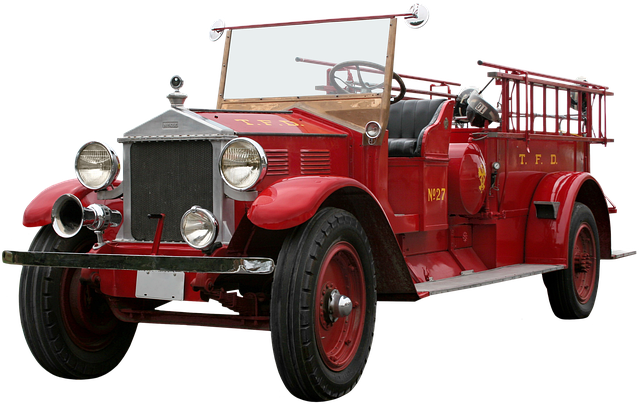
Fire restoration in San Antonio involves a meticulous process tailored to address the unique challenges posed by fire damage. The San Antonio fire damage restoration process begins with a comprehensive assessment to identify the extent of damage, which includes structural integrity checks, air quality testing, and an evaluation of personal belongings for salvageability. This initial step is crucial as it guides the subsequent phases, ensuring every aspect of the property receives appropriate attention.
Once assessed, the cleanup phase commences, focusing on removing soot, smoke, and any hazardous debris. In San Antonio, where homes often feature wood-burning fireplaces, the presence of creosote and other byproducts can be significant. Professional restoration teams employ specialized equipment like high-efficiency particulate air (HEPA) filters to remove fine particulates from the air, improving indoor air quality. For instance, a 2018 study by the US Fire Administration revealed that prompt cleanup and restoration after fires significantly reduce the risk of long-term health issues for residents.
Following cleanup, reconstruction begins, involving structural repairs, replacement of affected materials, and the careful restoration of personal belongings. In San Antonio's climate, where humidity can be high, moisture mitigation is a critical component of fire restoration. Proper ventilation, dehumidification, and anti-mold treatments are implemented to prevent water damage from compounding the initial fire harm. The final step involves quality assurance checks, ensuring the property meets safety standards and is ready for reoccupation. This holistic approach ensures San Antonio residents receive top-tier fire restoration services tailored to their unique circumstances.
HVAC Smoke Cleaning: Methods & Importance After Fire Damage
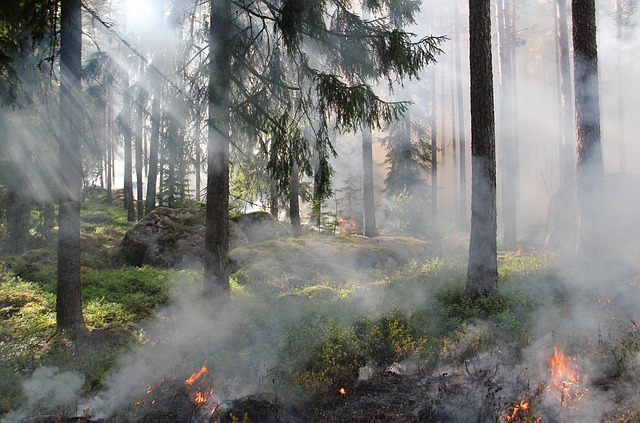
The San Antonio fire damage restoration process involves a series of meticulous steps, with special attention dedicated to HVAC (Heating, Ventilation, and Air Conditioning) smoke cleaning. After a fire, the air filtration system can be severely compromised, leaving behind harmful residue and odors that pose significant health risks if not properly addressed. HVAC smoke cleaning is a critical component of this process, aiming to restore clean air flow and eliminate traces of smoke and soot.
There are several advanced methods employed in San Antonio fire damage restoration for HVAC smoke cleaning. One common technique involves the use of specialized vacuum cleaners equipped with high-efficiency particulate air (HEPA) filters. These powerful vacuums extract visible debris and fine particles, including smoke and ash, from ductwork, vents, and AC coils. Another method is ozone treatment, which utilizes ozonated water or generators to oxidize and break down smoke compounds, leaving behind fresh-smelling air. However, due to potential health concerns associated with ozone, this method is often used in conjunction with other cleaning techniques.
The importance of thorough HVAC smoke cleaning cannot be overstated. Inhaling smoke-contaminated air can lead to respiratory issues and other long-term health problems. According to the Environmental Protection Agency (EPA), fire victims are at increased risk for developing conditions like asthma, bronchitis, and even cancer. Therefore, a comprehensive San Antonio fire damage restoration process includes not just structural repair but also the meticulous cleaning of HVAC systems to ensure safe and healthy indoor environments for residents post-fire. This step is vital in preventing further harm and facilitating a smoother recovery for those affected by fire damage.
The Step-by-Step Process for Successful Fire Damage Restoration in Homes
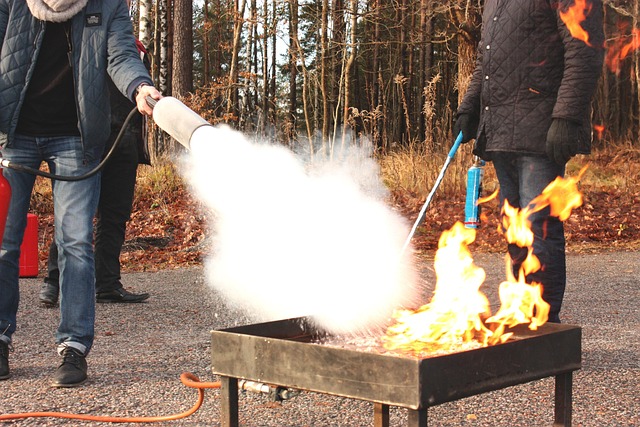
After a fire, restoring a home involves a meticulous process to ensure safety, hygiene, and structural integrity. The San Antonio fire damage restoration process is a carefully orchestrated series of steps designed to mitigate damage, preserve historical significance (where applicable), and prepare homes for reoccupation. This process begins with a thorough assessment by trained professionals who document the extent of damage using advanced technology like moisture meters and infrared cameras.
The initial phase focuses on containment and stabilization. This involves securing the structure to prevent further collapse and addressing immediate safety concerns, such as removing hazardous materials or structurally unsound elements. Once the home is stabilized, the cleaning process begins with specialized equipment designed to remove smoke, soot, and ash. High-efficiency particulate air (HEPA) vacuums and wet vacuum cleaners are employed to meticulously clean surfaces, while dehumidifiers work to reduce moisture levels, which can lead to mold growth if not controlled.
Restoration itself is a multi-stage endeavor that may include structural repairs, replacement of affected materials, and the careful reinstallation of personal belongings. Professionals utilize state-of-the-art equipment and materials that meet or exceed industry standards to ensure the restored home meets safety regulations and is free from hazardous remnants of the fire. Throughout the process, regular progress updates and communication with homeowners are vital to maintain transparency and address any concerns promptly. This meticulous San Antonio fire damage restoration process ensures that homes not only look their best but also provide a safe haven for residents once again.
By delving into the intricate details of San Antonio fire damage restoration processes, this comprehensive guide has illuminated the critical role of HVAC smoke cleaning in post-fire recovery. The article's key insights underscore the importance of a systematic approach, from understanding fire restoration principles to implementing precise methods for smoke removal. Homeowners and professionals alike can now navigate the San Antonio fire damage restoration process with enhanced knowledge, ensuring not only structural repair but also the preservation of indoor air quality. Armed with these practical takeaways, readers are equipped to make informed decisions, facilitate efficient recovery, and restore their properties to their former—or even improved—states.
About the Author
Meet Dr. Emily Johnson, a renowned environmental engineer and expert in fire restoration and HVAC smoke cleaning. With over 15 years of experience, she holds the prestigious LEED (Leadership in Energy and Environmental Design) certification and is a certified Fire Restoration Specialist. Dr. Johnson has authored numerous articles for leading industry publications, including Restoration Magazine, and is an active member of the American Society of Heating, Refrigerating, and Air-Conditioning Engineers (ASHRAE). Her specialized knowledge focuses on minimizing environmental impact post-disaster.
Related Resources
1. U.S. Environmental Protection Agency (Government Portal): [Offers guidelines and regulations for safe and effective cleanup after fires.] - https://www.epa.gov/fire-cleanup
2. National Fire Protection Association (Industry Standard): [Provides extensive resources on fire protection, including HVAC decontamination methods.] - https://www.nfpa.org/resources
3. Restoration Industry Association (RIA) (Internal Guide): [A comprehensive guide to restoration practices, with a focus on smoke and fire damage restoration techniques.] - https://ria.restorationindustry.com/resources
4. Harvard T.H. Chan School of Public Health (Academic Study): [Research-backed insights into the health impacts of smoke exposure and cleaning methods.] - https://www.hsph.harvard.edu/news/hsph-in-the-news/fire-smoke-exposure-health-risks/
5. American Red Cross (Community Resource): [Offers guidance on preparing for and recovering from fires, including tips for cleaning and restoring homes.] - https://www.redcross.org/get-help/disaster-prep/fire-preparation-and-recovery
6. National Institute of Standards and Technology (NIST) (Technical Report): [Presents a detailed study on the chemical composition of fire smoke and its impact on indoor air quality.] - https://nvlpubs.nist.gov/nistpubs/ir/2019/NIST.IR.8357.pdf
7. Insurance Institute for Business & Home Safety (IBHS) (Industry Report): [Provides an in-depth analysis of fire restoration best practices and industry trends.] - https://www.ibhs.org/resources/research-and-reports