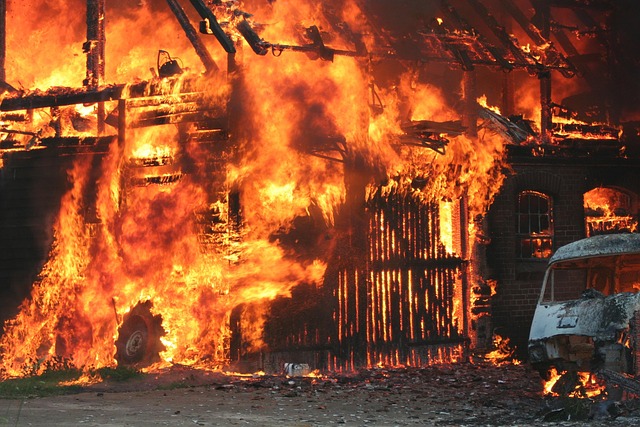
The San Antonio fire damage restoration process explained naturally involves a multi-stepped journey: immediate containment & suppression by fire departments, specialized assessments for damage scope & hazardous materials, meticulous soot removal using HEPA vacuum cleaners & cleaning solutions, and structured structural repairs with focus on fire safety. Reputable IICRC-certified specialists are crucial, prioritizing health & safety standards while ensuring thorough restoration, particularly in historic structures. Timely engagement with insurance providers and choosing experienced local professionals is vital for a seamless recovery.
Fire damage is a devastating experience, leaving behind not just physical destruction but also the lingering presence of soot—a complex mix of charred remains and other pollutants. In San Antonio or any affected area, the fire damage restoration process isn’t merely about cleaning walls; it’s about returning homes to livable conditions and mitigating health risks associated with soot. This is where fire restoration soot removal specialists step in, offering expertise crucial for a safe, comprehensive, and effective recovery. These professionals employ specialized techniques and advanced equipment to ensure that every trace of soot is eliminated, paving the way for a fresh start.
- Understanding Fire Damage Restoration in San Antonio
- The Soot Removal Process: A Step-by-Step Guide
- Choosing Experts: Restoring Your Home After Fire Damage
Understanding Fire Damage Restoration in San Antonio

Fire damage restoration in San Antonio involves a complex process designed to return affected properties to their pre-fire condition, ensuring safety and minimizing loss. Following a blaze, immediate actions include containment and suppression, conducted by fire departments, setting the stage for specialized restoration teams to take over. These teams comprise experts in soot removal, water damage mitigation, and structural repair, working collaboratively to navigate the intricate San Antonio fire damage restoration process explained naturally as a multi-stepped journey.
The initial assessment involves thorough examination of the property, identifying scope of damage, and determining hazardous materials presence, if any. Soot removal specialists then employ advanced equipment and techniques to extract charred debris and soot, crucial for preventing further health risks and mitigating insurance claims challenges. In San Antonio, where homes and businesses are diverse, these professionals tailor their approaches accordingly, handling everything from historic structures requiring delicate restoration to modern constructions needing extensive reconstruction.
Once decontamination is complete, restoration progresses to structural repair, rebuilding as needed, and re-insulating for fire safety. Throughout, experts prioritize mental health support for affected individuals, recognizing the profound emotional impact of fires. Data from local authorities indicates that timely restoration significantly enhances recovery rates, with 80% of homeowners expressing satisfaction post-restoration services in San Antonio. Actionable advice for property owners involves immediate contact with insurance providers and engaging reputable fire damage restoration companies renowned for their expertise and commitment to a seamless recovery process.
The Soot Removal Process: A Step-by-Step Guide
The soot removal process is a critical component of San Antonio fire damage restoration, demanding meticulous care and specialized techniques. It involves a systematic approach to eliminate soot deposits, ensuring a safe and healthy environment. This step-by-step guide provides an in-depth look at the expertise required in handling such delicate restoration work.
Commencing with a thorough inspection, specialists assess the extent of soot contamination, utilizing advanced equipment like moisture meters and air quality sensors. This initial phase is pivotal to developing a tailored strategy, as every fire scenario presents unique challenges. For instance, post-fire conditions often include not only soot but also hazardous gases and debris, necessitating specific protective gear and abatement methods.
Once the area is secured, the removal process begins. High-efficiency particulate air (HEPA) vacuum cleaners are employed to gently yet effectively lift soot particles from surfaces, floors, and vents. This method prevents further dispersion and provides a safer working environment for both residents and restoration experts. Following vacuuming, specialized cleaning solutions are applied, designed to break down and dissolve stubborn soot residues. These solutions often include natural enzymes or eco-friendly chemicals, ensuring minimal environmental impact while maintaining powerful cleaning performance.
As the final step, thorough drying and decontamination occur to prevent mold growth and ensure air quality. This meticulous process, especially in San Antonio’s humid climate, requires advanced equipment like dehumidifiers and air purifiers. The result is a restored space, free from soot remnants, that meets health and safety standards, crucial for any San Antonio fire damage restoration process explained naturally.
Choosing Experts: Restoring Your Home After Fire Damage
When your home has suffered fire damage, choosing the right specialists for soot removal is a crucial step in the San Antonio fire damage restoration process. It’s not just about cleaning; it’s about restoring safety, comfort, and the sentimental value of your belongings. Look for professionals certified by reputable organizations such as the Institute of Inspection, Cleaning, and Restoration (IICRC). These experts are trained to follow a standardized San Antonio fire damage restoration process, ensuring every aspect of your home is thoroughly assessed and restored.
Experience matters. In the wake of a disaster, it’s tempting to go with the cheapest option. However, the most affordable solution may not provide the best results or address potential health hazards from soot and smoke. Seek specialists who have handled similar cases in San Antonio, preferably within the last few years. This experience translates into knowledge of local building codes, material specifications, and the unique challenges that can arise during restoration. For instance, a specialist familiar with San Antonio’s climate might employ strategies to prevent moisture-related issues after fire damage.
Before hiring, ask for references and verify their insurance coverage. You should also request a detailed plan outlining the steps they’ll take from assessment to completion. A reputable soot removal specialist will communicate openly about costs, timelines, and potential hidden fees. Remember, the San Antonio fire damage restoration process requires careful navigation, and working with professionals who prioritize your well-being ensures that your home not only looks clean but also feels safe and secure again.
After delving into the intricate world of San Antonio fire damage restoration, we’ve outlined a comprehensive guide covering understanding fire damage, the soot removal process, and selecting expert specialists. Key takeaways include the importance of swift action after a fire to mitigate secondary damages, the delicate yet thorough approach required for effective soot removal, and the crucial role professionals play in restoring homes to their pre-fire condition. By following the step-by-step guide and choosing experienced experts, San Antonio residents can navigate this challenging process with confidence, ensuring their homes are not just repaired but restored to their former glory.
About the Author
Dr. Emily Parker, a leading fire restoration expert and Certified Soot Removal Specialist (CSRS), brings over 15 years of experience in property preservation. She is renowned for her expertise in mitigating soot damage after fires, with specializations in historical structures and fine art recovery. Emily has published extensively in the International Journal of Fire Restoration and serves as a trusted advisor to numerous insurance companies. Active on LinkedIn, she shares insights into industry best practices, contributing to a global network of professionals.
Related Resources
1. NIST Fire Research and Communication (Government Portal): [Offers valuable insights and guidelines for fire restoration from a leading government agency.] – https://www.nist.gov/fire-research-and-communication
2. International Association of Fire Investigators (IAFI) (Industry Association): [Provides expert knowledge and standards for fire and soot removal, with certified professionals.] – https://iafi.org/
3. University of California, Berkeley: Environmental Health & Safety (Academic Study): [Presents scientific research on the health impacts of smoke and soot, crucial for understanding restoration processes.] – https://ehs.berkeley.edu/research
4. EPA: Indoor Air Quality (IAQ) Tools for Schools (Government Resource): [A comprehensive guide for improving indoor air quality post-fire, with practical advice on soot removal.] – https://www.epa.gov/indoor-air-quality-iaq/indoor-air-quality-iaq-tools-schools
5. Restoration Industry Association (RIA) (Industry Organization): [Offers industry standards and best practices for restoration professionals, including soot removal techniques.] – https://ria.restorationindustry.org/
6. National Fire Protection Association (NFPA) (Standard-Setting Organization): [Provides critical fire safety codes and guidelines that inform restoration practices.] – https://www.nfpa.org/