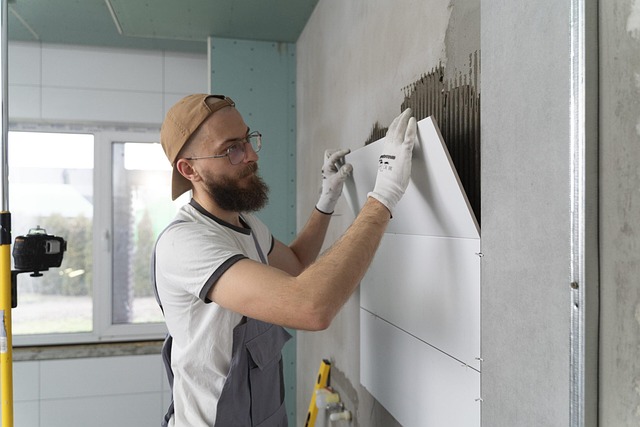
The San Antonio fire damage restoration process explained naturally begins with expert assessments u…….
Category: San Antonio fire damage restoration process explained
San Antonio Fire Damage Restoration Process Explained: A Comprehensive Guide
Introduction
In the heart of Texas, San Antonio stands as a vibrant city, renowned for its rich history and cultural diversity. Yet, like any urban center, it faces challenges when disaster strikes, particularly in the form of fires. The aftermath of a significant fire can leave homes, businesses, and communities devastated, prompting the need for efficient and comprehensive restoration processes. This article delves into the intricate world of San Antonio fire damage restoration, exploring every step and consideration involved in returning affected areas to their former glory. We will navigate through historical context, global influences, economic implications, technological innovations, regulatory frameworks, real-world challenges, and future prospects, ultimately highlighting the significance of this critical process.
Understanding San Antonio Fire Damage Restoration Process Explained
Definition and Core Components
San Antonio fire damage restoration refers to the systematic approach to repairing and revitalizing structures and environments impacted by fires, ensuring they meet safety standards and aesthetic quality. This process involves multiple interconnected stages:
- Assessment and Planning: Initial evaluation of the fire’s extent, including structural integrity analysis, identification of hazardous materials, and determination of restoration scope.
- Clearing and Debris Removal: Safe removal of burnt debris, personal belongings, and any hazardous remnants to prepare the site for reconstruction.
- Structural Repair and Reconstruction: Restoring or rebuilding damaged structures, ensuring compliance with building codes and safety regulations.
- Content Cleaning and Restoration: Professional cleaning and restoration of salvaged items, such as furniture, artwork, and documents, to minimize damage and loss.
- Odor Removal and Air Quality Control: Implementing strategies to eliminate smoke and fire-related odors, improving air quality, and mitigating health risks.
- Final Inspection and Handover: A comprehensive inspection to ensure restoration meets all requirements, followed by the official handover of the restored property to its owner or occupier.
Historical Context
The concept of fire damage restoration has evolved over centuries, adapting to advancements in building techniques and disaster response strategies. Historically, cities like San Antonio have relied on local expertise and traditional methods for rebuilding after fires. However, with urbanization and increasing property values, the process became more complex, requiring specialized knowledge and resources. Modern San Antonio fire damage restoration practices incorporate advanced technologies, scientific cleaning methods, and stringent safety protocols, ensuring faster and more effective recovery from catastrophic fires.
Global Impact and Trends
International Influence
The San Antonio fire damage restoration process is not isolated; it draws influence and shares best practices globally. The International Association of Fire Restoration and Rehabilitation (IAFR&R) plays a pivotal role in setting standards and promoting knowledge exchange among professionals worldwide. This international collaboration ensures that San Antonio adheres to internationally recognized restoration techniques, maintaining consistency in quality and safety.
Global Trends Shaping the Industry
- Eco-Friendly Materials: A growing trend towards using environmentally friendly materials and sustainable practices during restoration has gained traction globally. San Antonio professionals are embracing this by incorporating eco-conscious solutions, such as green insulation and water-efficient fixtures.
- Disaster Preparedness: Many regions are prioritizing disaster preparedness, leading to increased investment in fire-resistant building designs and advanced warning systems. This trend influences San Antonio’s approach to prevention and rapid response.
- Technological Integration: The adoption of technology, including drones for assessment, digital documentation, and specialized restoration tools, is a global shift that has significantly impacted the efficiency of fire damage restoration worldwide.
Regional Variations
While the core principles remain consistent, regional variations exist in San Antonio’s fire damage restoration landscape:
| Region | Key Differences |
|---|---|
| Urban vs. Suburban Areas | Urban centers like San Antonio might face tighter space constraints and more complex building structures, requiring specialized techniques for confined spaces. |
| Climate Factors | The region’s climate can influence restoration methods; for instance, addressing moisture issues in humid climates is a specific challenge that local restorers tackle effectively. |
| Local Regulations | Building codes and safety regulations vary across Texas, so San Antonio’s restoration practices must adhere to these unique requirements. |
Economic Considerations
Market Dynamics
The San Antonio fire damage restoration market operates within a competitive environment, with numerous specialized firms catering to residential, commercial, and industrial clients. The market dynamics are influenced by:
- Seasonality: Fire damage restoration services often experience fluctuations during certain times of the year due to varying weather patterns and increased risk of wildfires.
- Local Demand: High-density urban areas within San Antonio may have a higher demand for these services, driven by the concentration of businesses and residences.
- Competition and Pricing: Restorers compete based on pricing, expertise, and customer satisfaction, leading to ongoing innovation and service improvements.
Investment Patterns
Investing in fire damage restoration services is a strategic move for San Antonio property owners and businesses:
- Prevention and Protection: Proactive investment in fire-resistant construction features and regular maintenance can significantly reduce the impact of fires, minimizing potential losses.
- Rapid Recovery: Efficient restoration services enable swift return to operations, minimizing downtime and financial disruptions.
- Long-term Value: Well-restored properties retain or even increase their value, ensuring a sound investment for the future.
Technological Advancements
Impact on Fire Damage Restoration
Technology has revolutionized San Antonio fire damage restoration in several ways:
- Drone Technology: Drones equipped with high-resolution cameras and thermal imaging can swiftly assess fire damage from overhead, providing a bird’s-eye view of affected areas.
- Digital Documentation: Restorers use advanced photography and 3D modeling software to document every step of the restoration process, ensuring transparency and accurate record-keeping.
- Specialized Tools: Newer tools, such as heat-resistant equipment and advanced air purification systems, enhance safety and efficiency during the restoration process.
Future Potential
The future holds immense potential for technological advancements in this sector:
- Virtual Reality (VR) and Augmented Reality (AR): VR and AR technologies can be employed to create immersive training simulations, enhancing the skills of restoration workers and ensuring consistent quality.
- AI-Assisted Inspection: Artificial intelligence algorithms can analyze drone footage and other data to automatically detect damaged areas, speeding up the initial assessment process.
- Smart Buildings: Integrating fire damage restoration practices with smart building technology could lead to self-healing structures that proactively mitigate fire risks.
Policy and Regulation
Key Policies and Frameworks
The San Antonio fire damage restoration process operates within a robust regulatory framework, ensuring safety and quality:
- Building Codes: Local building codes dictate construction standards, including fire safety measures, which must be strictly adhered to during restoration projects.
- Fire Safety Regulations: These regulations cover various aspects, such as fire suppression systems, smoke detectors, and emergency exits, ensuring buildings meet safety standards post-restoration.
- Environmental Guidelines: San Antonio’s restoration professionals must comply with environmental protection laws, especially when dealing with hazardous materials or contaminated sites.
Influence on Development
The city’s policies have a profound impact on the industry:
- Standardization: Consistent policies across different departments ensure that restoration practices are standardized, facilitating faster approval processes and project timelines.
- Safety Culture: Stricter regulations foster a culture of safety among restorers, leading to continuous training and adoption of best practices.
- Incentives for Innovation: Incentives and grants from local authorities can encourage the early adoption of new technologies and sustainable restoration methods.
Challenges and Criticisms
Overcoming Obstacles
Despite its many successes, the San Antonio fire damage restoration process faces several challenges:
- Rapid Urbanization: Rapid growth strains resources and increases competition for skilled labor, potentially leading to delays in restoration projects.
- Natural Disasters: The region’s vulnerability to wildfires and other natural disasters can create a surge in restoration demands, straining local capabilities.
- Cost and Insurance Issues: High restoration costs and complex insurance claims processes can be daunting for property owners, impacting the overall recovery process.
Actionable Solutions
Addressing these challenges requires strategic interventions:
- Workforce Development: Investing in training programs and apprenticeships can help meet the demand for skilled restorers, ensuring a capable workforce.
- Resource Allocation: Efficient allocation of resources during peak disaster periods is crucial to managing restoration projects effectively.
- Insurance Simplification: Streamlining insurance claim processes and promoting awareness about available financial assistance can encourage prompt restoration initiatives.
Case Studies: Successful Restoration Projects
Example 1: The Historic Downtown Revival
In 2018, a significant fire devastated several buildings in San Antonio’s historic downtown area. Local restorers swiftly mobilized, employing advanced cleaning techniques to salvage valuable artifacts and documents. Through meticulous planning and use of eco-friendly materials, they successfully restored the district, preserving its architectural integrity and cultural significance. This project became a testament to the city’s resilience and the expertise of its fire damage restoration professionals.
Example 2: High-Rise Commercial Restoration
A major commercial fire in a high-rise building sparked a complex restoration effort. Restorers faced challenges due to the extensive smoke and water damage, but they utilized cutting-edge air purification systems and specialized drying techniques to minimize structural issues. The project highlighted the importance of rapid response and advanced technology in saving valuable businesses and jobs.
Example 3: Community Recovery After Natural Disasters
Following a series of wildfires outside San Antonio, local restorers collaborated with government agencies to provide aid. They offered free or discounted services, ensuring swift recovery for affected residents. This community-focused initiative not only restored properties but also fostered a sense of unity and resilience among the displaced individuals.
Future Prospects: Emerging Trends and Growth Areas
Potential Growth Areas
The San Antonio fire damage restoration industry is poised for growth in several sectors:
- Residential Restoration: With an increasing focus on home improvement, the demand for residential restoration services is expected to rise, driven by homeowner initiatives and insurance claims.
- Sustainable Practices: The growing emphasis on environmental sustainability will continue to shape the industry, encouraging restorers to adopt eco-friendly materials and methods.
- Disaster Preparedness Consulting: Specialized consulting services that offer proactive fire prevention strategies and emergency response planning are gaining traction among property owners and businesses.
Emerging Trends
- Integrated Restoration Services: Future trends may see a shift towards integrated service providers who offer comprehensive solutions, combining restoration with construction or property management services.
- Digital Twin Technology: The concept of digital twins, virtual replicas of physical structures, could revolutionize restoration by enabling precise simulations and planning.
- Remote Monitoring: Restorers might utilize remote monitoring systems to track environmental conditions in real-time, ensuring prompt response to potential issues during restoration projects.
Conclusion: Embracing Resilience and Innovation
The San Antonio fire damage restoration process is a testament to the city’s resilience and dedication to recovery. It embodies a complex interplay of historical traditions, global best practices, and cutting-edge technology. By navigating economic considerations, embracing regulatory frameworks, and overcoming challenges, San Antonio has established itself as a leader in disaster recovery.
As the industry evolves, restorers must stay vigilant, adapting to emerging trends and addressing new obstacles. The future holds immense potential for innovation, with technology playing a pivotal role in shaping more efficient, sustainable, and resilient restoration practices. By continuously learning from case studies and global insights, San Antonio can ensure that its fire damage restoration process remains a powerful force in safeguarding communities and revitalizing affected areas.
FAQ Section
Q: How soon after a fire can restoration begin?
A: Restoration can commence immediately after the fire is extinguished and the area is deemed safe. However, thorough assessment and planning are crucial first steps to ensure a successful and safe restoration process.
Q: What documentation do I need to support my insurance claim for fire damage restoration?
A: Gather all relevant documents, including proof of ownership, detailed inventory lists, photographs or videos of the damage, and any reports from emergency services or structural engineers. Keep thorough records throughout the restoration process for your insurance claim.
Q: Are there environmental considerations during fire damage restoration?
A: Absolutely. Restorers must adhere to environmental guidelines, especially when dealing with hazardous materials. They employ specialized techniques for safe removal, disposal, and cleaning to minimize ecological impact.
Q: Can technology really enhance the efficiency of fire damage restoration?
A: Yes, technology plays a pivotal role. Drones, digital documentation tools, and advanced cleaning equipment streamline assessment, documentation, and restoration processes, leading to faster turnaround times and improved outcomes.
Q: What are some signs that I need professional help with fire damage restoration?
A: If the fire caused extensive damage, affected structural integrity, or resulted in heavy smoke and water damage, professional assistance is recommended. Also, consider professional help if you lack the resources or expertise to handle the cleanup and restoration process effectively.
San Antonio Fire Damage Restoration: Soot Removal Experts Guide
The San Antonio fire damage restoration process explained naturally involves a multi-stepped journey…….
San Antonio Fire Damage Restoration: Electrical Safety & Repair Guide
San Antonio fire damage restoration process explained: Assessing electrical safety is paramount. Lic…….
San Antonio Fire Restoration: Floor Replacement Experts
San Antonio fire damage restoration process explained:1. Assess & Plan: Extensive assessment det…….
San Antonio Fire Damage: Electronics Decontamination Guide
The San Antonio fire damage restoration process for electronics involves a systematic approach to as…….
San Antonio’s Fire Damage Restoration: Rapid Response, Detailed Process
The San Antonio fire damage restoration process explained is a multi-step, specialized approach prio…….
San Antonio Fire Damage Restoration: Surface Cleaning Treatments Explained
San Antonio fire damage restoration process explained involves expert assessment to determine damage…….
San Antonio Fire Damage Restoration: Ceiling to Wall Repair Guide
San Antonio fire damage restoration process involves systematic steps for ceilings, walls, and overa…….
San Antonio Fire Damage Restoration: Plumbing Repairs Explained
San Antonio fire damage restoration process explained: Meticulous initial assessments identify struc…….
San Antonio Fire Damage: Restoring HVAC Ducts & Air Quality
Smoke damage from fires in San Antonio poses significant health risks via contaminated HVAC ducts. T…….