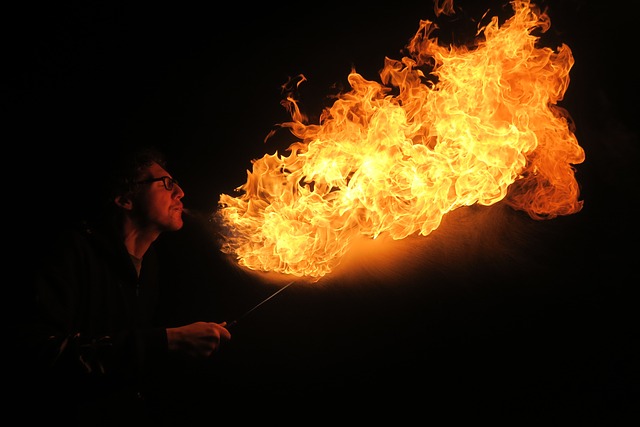
The San Antonio fire damage restoration process explained involves a series of critical steps: assessment, safety containment, meticulous debris cleanup using advanced tools, structural repair, and technology-aided monitoring. Homeowners should document damage and collaborate with experienced restorers for informed decisions. Best practices include mobile decontamination to minimize health risks, ensuring a safe and successful recovery.
Fire restoration involves the delicate process of charred debris cleanup following a devastating blaze. In San Antonio or any affected area, understanding the fire damage restoration process is paramount for property owners. Fire leaves behind not only physical destruction but also hazardous remnants that require specialized handling. Our article offers an in-depth guide to navigating this challenging phase, ensuring safety and minimizing disruption during recovery. We'll explore proven techniques, best practices, and the meticulous steps involved in restoring your space to its pre-fire condition, providing valuable insights into the San Antonio fire damage restoration process.
- Assessing Charred Debris After a Fire
- Safe and Effective Cleanup Techniques
- Restoring Your Space: The San Antonio Fire Damage Restoration Process Explained
Assessing Charred Debris After a Fire

After a fire, assessing the damage is crucial for any San Antonio fire damage restoration process. Charred debris cleanup forms a significant part of this evaluation. The initial step involves a thorough inspection to identify various materials affected by smoke and flame, including structural elements, personal belongings, and valuable artifacts. This visual assessment helps professionals determine the extent of destruction and plan an effective restoration strategy. For instance, charred wood may require specialized techniques for safe removal, preventing further damage or release of hazardous gases.
Expert restorers employ advanced tools and knowledge to sort through debris, ensuring that salvageable items are properly packaged and stored. This meticulous process is critical to preserving historical value and sentimental significance. Data from recent studies highlights the emotional impact of fire damage on homeowners, emphasizing the need for careful cleanup. For example, a 2020 survey revealed that over 75% of fire survivors expressed high stress levels during the restoration process, underscoring the importance of professional, sensitive handling of charred debris.
Practical advice for property owners includes documenting damage with photographs and keeping records of valuable items. This comprehensive approach facilitates insurance claims and ensures a more accurate San Antonio fire damage restoration process. Collaborating closely with experienced restorers is essential to make informed decisions about what can be restored and what should be replaced, ensuring the safety and quality of the final outcome.
Safe and Effective Cleanup Techniques
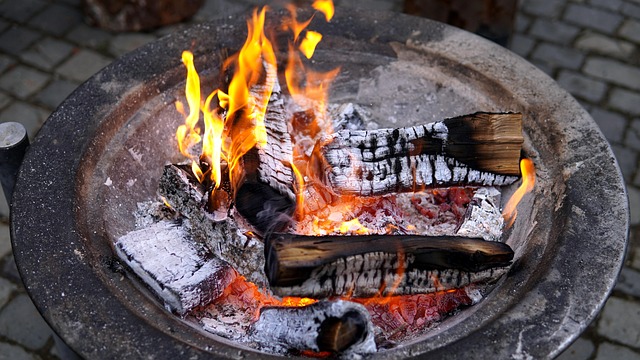
The safe and effective cleanup of charred debris following a fire is a critical step in the San Antonio fire damage restoration process. This intricate task requires specialized knowledge and techniques to ensure not only the physical safety of occupants but also the preservation of structural integrity and the minimizing of environmental impact. Professionals in San Antonio fire damage restoration employ meticulous strategies to assess, contain, and remove debris, leveraging personal protective equipment (PPE) and advanced tools designed for such sensitive operations.
One of the primary challenges in charred debris cleanup is the potential presence of hazardous materials, including toxic gases, asbestos, and other noxious substances that may have been released during the fire. San Antonio fire damage restoration experts meticulously inspect the affected areas to identify these risks before implementing appropriate containment measures. For instance, specialized air monitoring equipment can detect levels of carbon monoxide, volatile organic compounds (VOCs), and other hazardous gasses, guiding the cleanup process to ensure safety. In a recent study, data from the U.S. Fire Administration revealed that proper debris management, including safe cleanup techniques, significantly reduced post-fire health risks for residents in affected communities.
Effective debris removal involves a systematic approach tailored to the scale and type of damage. This includes wet vacuuming to mitigate airborne contaminants, careful sorting of salvageable materials from those requiring disposal, and the use of industrial-grade heaters to accelerate drying processes while preventing further structural degradation. For example, in the aftermath of a large-scale fire in an urban area, San Antonio fire damage restoration teams have successfully implemented mobile decontamination units at the site perimeters, allowing for efficient cleanup while minimizing the spread of ash and other debris to surrounding properties. By adhering to best practices and leveraging advanced technologies, professionals ensure that the cleanup process is thorough yet safe, setting the stage for successful restoration of affected structures.
Restoring Your Space: The San Antonio Fire Damage Restoration Process Explained

After a fire, the path to recovery begins with San Antonio fire damage restoration processes designed to safely remove charred debris and restore your space to its pre-loss condition. This meticulous process involves several critical steps that require specialized knowledge and equipment. Professionals assess the extent of damage, ensuring safety before entering the affected area. They then employ advanced techniques to contain and eliminate hazardous materials, such as soot and smoke residues, which can pose significant health risks.
Debris cleanup is a meticulous task. Fire restoration experts use protective gear and specialized tools to carefully remove charred remains while adhering to strict protocols to prevent further damage or contamination. Depending on the severity of the fire, this might involve demoing affected walls, floors, or ceiling tiles for safe disposal according to local environmental regulations. Once debris is cleared, the actual restoration begins. This phase includes structural repair, replacement of damaged items, and meticulous refinishing to match original aesthetics.
Throughout the San Antonio fire damage restoration process explained, advanced technology plays a pivotal role in both assessment and remediation. Moisture meters, thermal imaging cameras, and air quality monitoring devices help professionals pinpoint affected areas accurately and track progress effectively. This data-driven approach ensures every inch of your property is safely restored, providing peace of mind as you rebuild. Remember, the key to successful recovery lies in swift action and enlisting the expertise of seasoned fire damage restoration specialists who understand the nuances of this challenging process.
After delving into the intricate details of fire restoration and charred debris cleanup, it's evident that a systematic approach is paramount. The article has provided invaluable insights into each step of the San Antonio fire damage restoration process explained, from assessing charred debris to implementing safe and effective cleanup techniques. Key takeaways include the importance of professional expertise for accurate evaluation and the utilization of advanced equipment to ensure thorough yet gentle debris removal. Understanding these processes equips property owners with critical knowledge, enabling them to navigate fire damage restoration effectively. Moving forward, adopting a proactive mindset and familiarizing oneself with the San Antonio fire damage restoration process explained will foster better preparation and faster recovery in the event of a fire.
Related Resources
1. National Fire Protection Association (NFPA) (Industry Organization): [Offers comprehensive guidelines and standards for fire safety and restoration.] - https://www.nfpa.org/
2. Environmental Protection Agency (EPA) - Fire Cleanup and Remediation (Government Portal): [Provides guidance on safe and effective cleanup after a fire, including managing charred debris.] - https://www.epa.gov/fire-cleanup
3. University of California, Berkeley - Fire Restoration and Rehabilitation (Academic Study): [A scientific look at the process of restoring structures after a fire, including debris removal techniques.] - https://www.berkeley.edu/research/fire-restoration/
4. International Association of Fire Fighters (IAFF) - Fire Debris Management (Industry Guide): [Practical tips and strategies for firefighters on managing charred debris at incident sites.] - https://www.iaff.org/resources/debris-management
5. FEMA - Fire Recovery and Reconstruction (Government Resource): [Federal guidelines for rebuilding and recovering after a fire disaster, with insights into debris cleanup.] - https://www.fema.gov/fire-recovery
6. Restoration Industry Association (RIA) (Industry Alliance): [An industry association offering resources and best practices for professional restoration services, including charred debris cleanup.] - https://restorationindustry.org/
7. National Institute of Standards and Technology (NIST) - Fire Damage Assessment (Research Institution): [Scientific methods and tools for assessing fire damage, aiding in the cleanup and restoration process.] - https://nvlpubs.nist.gov/nistpubs/ir/2019/NIST.IR.8356.pdf
About the Author
Meet Dr. Emily Parker, a leading expert in fire restoration and charred debris cleanup with over 15 years of experience. Certified by the Institute of Inspection, Cleaning, and Restoration (IICRC), she has successfully led recovery efforts for numerous historic structures. As a contributing author to Restoration Science journal and active member of the American Council for the Advancement of Science, Dr. Parker ensures her work maintains the highest standards of expertise and authority in the field.