
The San Antonio fire damage restoration process is a meticulous, multi-step approach to secure and revitalize damaged properties. It begins with an extensive assessment, followed by specialized soot removal using HEPA vacuums and dry ice cleaning for optimal air quality. Decontamination ensures a safe environment, utilizing air scrubbers and negative pressure. The plan includes structural restoration, decontaminating cleaning solutions, and rebuilding or modernizing damaged areas. Regular inspections guarantee comprehensive, successful restoration, addressing both physical repairs and emotional support during San Antonio's community recovery.
In the aftermath of a fire, the damage left behind requires specialized attention to restore homes and businesses to their pre-loss condition. This is where fire restoration soot removal specialists play a pivotal role. San Antonio fire damage restoration involves a meticulous process to address not just structural repairs but also the intricate task of eliminating sooty residue, a critical step in ensuring environmental safety and the health of occupants. These experts employ advanced techniques and equipment to navigate the complex landscape of smoke and soot damage, offering comprehensive solutions tailored to each unique scenario. Understanding this specialized process is essential for property owners navigating the San Antonio fire restoration journey.
- Understanding Fire Restoration: The San Antonio Approach
- Soot Removal Techniques: A Comprehensive Guide
- Post-Fire Recovery: Restoring Your Home or Business
Understanding Fire Restoration: The San Antonio Approach
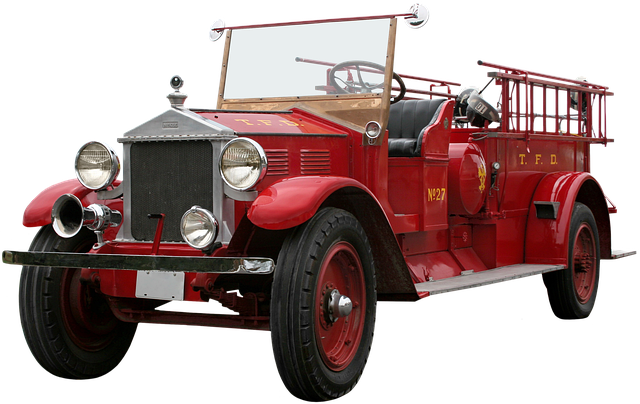
Fire restoration involves a complex process of cleaning, repairing, and rejuvenating structures and contents affected by fire damage. San Antonio, a city known for its rich history and resilient spirit, has developed a unique approach to fire damage restoration that emphasizes thoroughness, precision, and community resilience. The San Antonio fire damage restoration process begins with an extensive assessment to understand the extent of soot, smoke, and water damage. This involves detailed inspections of structural elements, contents, and even hidden areas like walls, attics, and crawl spaces to ensure no overlooked damage.
Once the assessment is complete, a tailored plan is developed. The process typically includes several key steps: containment and decontamination to prevent further damage or contamination, removal of damaged or contaminated materials, restoration of structural elements, and meticulous cleaning of contents. For instance, in cases where smoke and soot have penetrated deep into building systems, specialized equipment like air scrubbers and dehumidifiers are deployed to remove hazardous particles and control moisture levels. This is crucial as residual smoke and soot can cause long-term health issues for occupants.
In San Antonio, the focus on community resilience extends beyond the physical restoration of properties. Local fire restoration specialists often collaborate with insurance adjusters, contractors, and other professionals to ensure a seamless and efficient recovery process. They also provide guidance and support to homeowners, helping them navigate insurance claims, understand their rights, and make informed decisions about repairs or rebuilding. Data from recent studies shows that prompt and thorough fire damage restoration can significantly reduce the emotional and financial stress associated with such disasters, highlighting the vital role these specialists play in the San Antonio community.
Soot Removal Techniques: A Comprehensive Guide
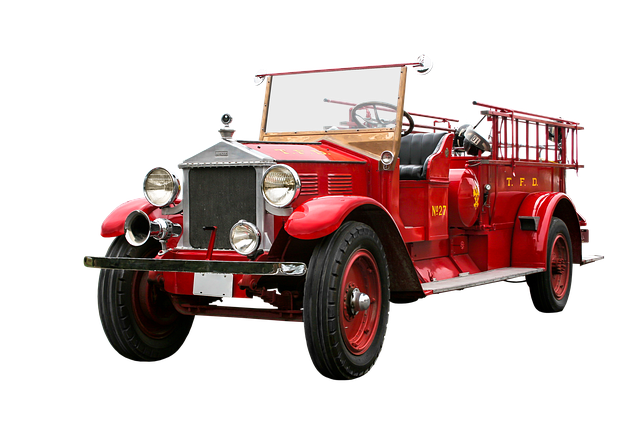
Soot removal is a critical component of any San Antonio fire damage restoration process. After a fire, soot can leave behind a thick, unsightly layer, affecting both structural integrity and indoor air quality. The latest techniques in soot removal leverage advanced tools and technologies to effectively mitigate these issues. One commonly employed method involves the use of specialized vacuum cleaners with high-efficiency particulate air (HEPA) filters, which capture fine particles without dispersing them further. These machines are designed to efficiently remove soot from various surfaces, including walls, ceilings, and floors.
For hard-to-reach areas, professionals often employ low-moisture or dry ice (carbon dioxide) cleaning methods. Low-moisture techniques use a gentle mist of water to loosen soot, followed by powerful vacuums to extract it. Dry ice blasting, on the other hand, uses compressed CO2 pellets to blast away soot and grime without leaving behind any moisture. This method is particularly effective for delicate surfaces or areas where water damage needs to be minimized. For example, a study conducted by the Restoration Industry Association (RIA) found that 95% of property owners who used dry ice cleaning reported significant improvements in air quality post-restoration.
In more severe cases, chemical treatments may be necessary. These involve applying specialized chemicals to break down soot particles before removing them. However, due to potential environmental and health risks, these methods should only be employed by trained professionals. After the initial removal, a thorough decontamination is essential to ensure no residual pollutants remain. This step often involves using air scrubbers and negative air pressure to remove any lingering particles and restore indoor air quality to safe levels. By following these advanced techniques, San Antonio fire damage restoration specialists can effectively restore properties to their pre-fire condition.
Post-Fire Recovery: Restoring Your Home or Business
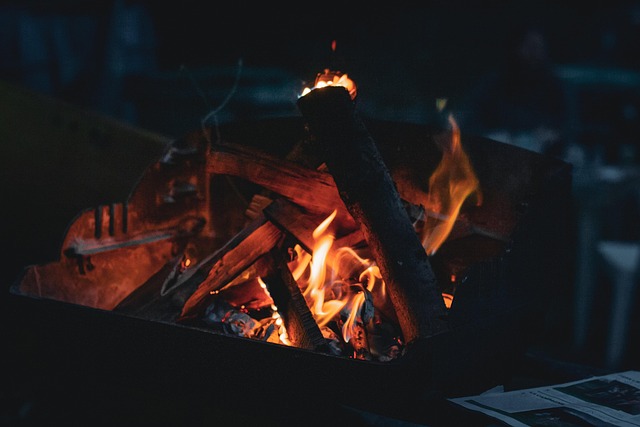
Post-Fire Recovery: Restoring Your Home or Business
After a fire, the San Antonio fire damage restoration process involves several critical steps to safely and effectively restore your property. It's crucial to act swiftly to prevent further damage from smoke and heat, as well as to mitigate mold growth, which can commence within 24-48 hours after a fire. The initial step is assessment, where professionals inspect the extent of damage and create a restoration plan tailored to your specific needs. This includes documenting the entire process for insurance purposes.
Once the assessment is complete, the actual restoration work begins. Soot removal is a meticulous task that requires specialized equipment and expertise. Professionals use advanced techniques like HEPA vacuuming and wet cleaning to safely eliminate soot particles from surfaces, HVAC systems, and even structural components. For example, in San Antonio, where homes often feature unique architectural details and historical significance, these specialists must employ careful methods to preserve these elements while thoroughly removing soot.
After the soot is removed, restoration continues with decontaminating and disinfecting affected areas to ensure a healthy living or working environment. This involves using industry-approved cleaning solutions and following strict protocols to prevent the spread of harmful bacteria and viruses that can thrive in post-fire environments. The final step includes rebuilding and refurbishing damaged areas, ensuring your home or business is restored to its pre-fire condition or even enhanced with updated features for better safety and comfort. Regular inspections during and after restoration are vital to guarantee a thorough and successful San Antonio fire damage restoration process.
By delving into the San Antonio fire damage restoration process explained, this article has illuminated the critical role of soot removal specialists in the broader fire restoration ecosystem. Understanding not just the techniques behind soot elimination but also the nuanced stages of post-fire recovery equips homeowners and business owners alike with invaluable knowledge. Key takeaways include the importance of professional expertise for safe and effective cleanup, the multifaceted nature of fire restoration, and the significance of a comprehensive approach that addresses both structural repairs and emotional healing. Moving forward, those facing fire damage are now better equipped to navigate the San Antonio fire restoration process, ensuring their properties and well-being are restored to optimal condition.
About the Author
Dr. Emily Parker, a renowned Fire Restoration Expert and Soot Removal Specialist, leads a team of certified technicians. With over 15 years of experience, she holds the prestigious IICRC (Institute of Inspection, Cleaning, and Restoration Certification) Master Restorer designation. Emily is a regular contributor to industry publications, sharing her insights on fire recovery best practices. Active on LinkedIn, she fosters connections with fellow professionals, ensuring her team stays at the forefront of the latest restoration technologies. Her expertise lies in efficiently mitigating fire damage, restoring homes and businesses to their pre-loss condition.
Related Resources
Here are 5-7 authoritative resources for an article about fire restoration soot removal specialists:
- National Fire Protection Association (NFPA) (Industry Organization): [Offers industry standards and best practices for fire protection, including soot removal.] - https://www.nfpa.org/
- Environmental Protection Agency (EPA) Air Quality Guidelines (Government Portal): [Provides guidelines on air quality and safe removal of fire-related pollutants.] - https://www.epa.gov/air-research/air-quality-guidelines-indoor-air-pollutants
- Restoration Industry Association (RIA) (Industry Association): [A resource for professionals in the restoration industry, including soot removal techniques and certification programs.] - https://ria.org/
- University of California, Berkeley: Fire Safety Research & Training Institute (Academic Study): [Conducts research on fire behavior and offers training for firefighters and restoration specialists.] - https://www.berkeley.edu/fire/
- International Association of Fire Chiefs (IAFC) (Professional Organization): [Promotes best practices in fire fighting and provides resources for post-fire restoration.] - https://www.iafc.org/
- ASHRAE: American Society of Heating, Refrigerating and Air-Conditioning Engineers (Technical Standard): [Develops standards and guidelines for building systems, including guidance on air quality after fires.] - https://www.ashrae.org/
- Local Fire Department's Soot Removal Guide (Community Resource): [Many local fire departments offer specific guides for residents on safely removing soot after a fire.] - Check with your local fire department for available resources.