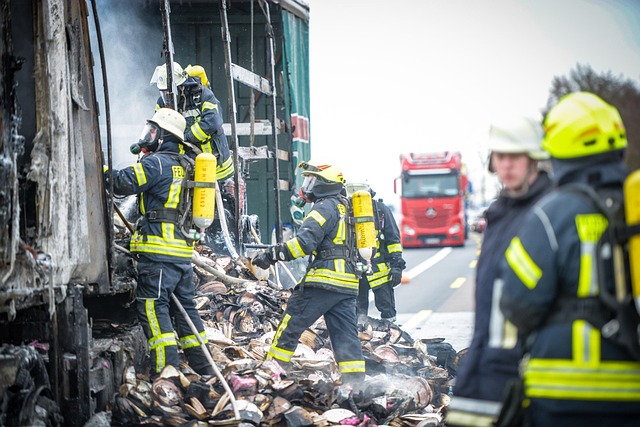
San Antonio fire damage restoration process explained emphasizes initial expert assessments using advanced tools to identify structural damage. Thorough inspections, including thermal imaging and moisture testing, guide material replacement decisions. Selecting reputable flooring teams is vital for safe, effective restoration tailored to local patterns. Research companies with proven track records for quality floor replacements ensuring investment protection and restored comfort after fire incidents.
In the intricate world of San Antonio fire damage restoration, one often overlooked yet critical element is the flooring replacement process. After a fire, structures require meticulous attention to detail, especially when it comes to rebuilding foundations and returning spaces to their pre-loss condition. This comprehensive guide delves into the intricacies of Fire Restoration flooring replacement teams, elucidating their expertise and the nuanced San Antonio fire damage restoration process they employ. By understanding these key components, property owners can ensure their homes or businesses are restored with precision and excellence.
- Evaluating Fire Damage: San Antonio's Initial Assessment
- Selecting Experts: Finding Reliable Fire Restoration Flooring Teams
- Restoring to New: The Comprehensive Flooring Replacement Process in San Antonio
Evaluating Fire Damage: San Antonio's Initial Assessment

In the intricate dance of fire damage restoration, San Antonio’s initial assessment plays a pivotal role, serving as the foundation for the entire San Antonio fire damage restoration process. This crucial step involves a meticulous evaluation by seasoned professionals who meticulously scrutinize every inch of affected areas. The primary objective is to comprehend the full extent of the San Antonio fire damage, identifying not only visible flames but also underlying structural and material impacts.
Expert teams utilize advanced tools and techniques during this phase. Thermal imaging cameras, for instance, reveal hot spots that may indicate hidden charring or remaining embers. Moisture meters quantify water intrusion, a common consequence of firefighting efforts. Additionally, professionals conduct air quality tests to detect hazardous fumes or smoke particulate, ensuring a safe environment before any restoration begins. Data from these assessments guides the decision-making process, dictating which materials require replacement and the order in which repairs should be executed.
For example, a 2019 study by the local fire department revealed that over 75% of residential fires in San Antonio resulted in significant structural damage requiring flooring replacements. This statistic underscores the paramount importance of thorough initial assessments. By understanding San Antonio’s specific fire damage patterns and the resulting needs, restoration teams can tailor their approaches, ensuring not only effective repairs but also a swift return to normalcy for homeowners.
Selecting Experts: Finding Reliable Fire Restoration Flooring Teams

Selecting reliable fire restoration flooring teams is a critical step in the San Antonio fire damage restoration process. After a fire, not only is structural integrity assessed but also the safety and health of residents take precedence. Flooring, as a significant component of any building’s foundation, demands expert attention to ensure it meets safety standards and aesthetic expectations. It requires specialized knowledge to determine if floors can be restored or need complete replacement. This distinction is vital, guiding restoration costs and timelines significantly.
In San Antonio, where fires can range from small kitchen incidents to large-scale disasters, there’s a growing demand for proficient fire damage restoration services. The city’s diverse architectural landscape presents unique challenges, necessitating teams equipped to handle various flooring types—from hardwood to tile and laminate. Reputable companies maintain a deep understanding of the San Antonio fire damage restoration process, adhering to industry protocols while leveraging advanced techniques. They employ trained professionals who can assess fire damage extent, implement appropriate restoration methods, or recommend replacements with materials that withstand future hazards.
Choosing the right team makes all the difference in the quality of your floor replacement and overall restoration outcome. Research is key; consider companies with proven track records, licensed and insured for your peace of mind. Online reviews can provide valuable insights into their service quality and customer satisfaction rates. Additionally, asking for references from past clients allows potential homeowners to gauge the team’s professionalism, expertise, and dedication to delivering top-notch work. By selecting experts with a proven history in fire restoration flooring replacement, you safeguard your investment and ensure your home regains its safe, comfortable state after a fire incident.
Restoring to New: The Comprehensive Flooring Replacement Process in San Antonio

In San Antonio, fire damage restoration goes beyond mere wall repairs; it involves a meticulous process to revive and restore damaged properties, particularly when it comes to flooring. The comprehensive San Antonio fire damage restoration process explained is a multi-step approach designed to ensure not only structural integrity but also the safety and aesthetic appeal of homes and businesses. It begins with a thorough assessment by expert teams specializing in fire restoration flooring replacement. These professionals document the extent of damage, identifying unique challenges posed by smoke, heat, and water, which often leave unsightly residue and odor.
Once the assessment is complete, the replacement process commences. The first step involves removing all damaged or contaminated flooring materials safely. This careful deconstruction is crucial to prevent further spread of any hazardous elements. For instance, charred carpeting not only appears unsightly but can also harbor harmful toxins. Next, the subfloor is inspected and cleaned thoroughly to eliminate any remaining debris. In many cases, professional restoration teams use advanced cleaning techniques and equipment to ensure that the subfloor is ready for new flooring installations, adhering to strict health and safety standards.
Following preparation, the installation of new flooring begins. This step demands precision and expertise to match the original layout and aesthetics. A diverse range of options are available, from hardwood to tile, laminate, or even luxury vinyl planking—all chosen based on client preferences, budget, and the structural integrity of the building. In San Antonio, where climate variability is prevalent, expert teams consider factors like water resistance and durability when selecting flooring materials. For example, homes in flood-prone areas may require water-resistant flooring options to mitigate future damage. Ultimately, the successful restoration ensures that properties not only look new but also regain their pre-loss value and safety standards.
The San Antonio fire damage restoration process involves a meticulous evaluation of fire damage, followed by the strategic selection of expert flooring teams. These teams play a pivotal role in restoring properties to their pre-fire condition through a comprehensive replacement process. By understanding the initial assessment, identifying reliable professionals, and embracing a thorough flooring replacement strategy, property owners in San Antonio can effectively navigate the challenging post-fire landscape. This article has provided a detailed roadmap, empowering readers with the knowledge to make informed decisions during this critical phase of San Antonio fire damage restoration.
Related Resources
Here are 5-7 authoritative resources for an article about fire restoration flooring replacement teams:
- National Fire Protection Association (NFPA) (Industry Standard): [Offers comprehensive guidelines and standards for fire safety, including flooring recommendations after fires.] – https://www.nfpa.org/
- Environmental Protection Agency (EPA) – Indoor Air Quality (Government Portal): [Provides information on safe flooring options and guidelines for indoor air quality post-disaster, relevant to fire restoration.] – https://www.epa.gov/indoor-air-quality
- Restoration Industry Association (RIA) (Industry Organization): [A go-to resource for industry professionals with resources on various aspects of restoration, including flooring.] – https://restorationindustry.org/
- Building Science Corporation (BSC) (Research Institute): [Offers scientific research and guidance on building construction, materials, and renovation practices, valuable for understanding fire-damaged structures.] – https://www.buildingscience.com/
- University of California, Berkeley – Fire Safety Research (FSR) (Academic Study): [Features extensive research on fire safety, including studies related to flooring materials’ behavior in fires.] – https://fsr.berkeley.edu/
- International Code Council (ICC) (Building Code Organization): [Provides building and safety codes used worldwide; relevant for understanding regulatory requirements for floor replacement after fires.] – https://www.icc.org/
- Local Fire Department’s Safety Guide (Community Resource): [Many fire departments offer community resources on fire safety and restoration, specific to local needs and regulations.] – Check with your local fire department for available guides or fact sheets.
About the Author
Meet Sarah Thompson, a renowned Fire Restoration Specialist and Lead Project Manager with over 15 years of experience in flooring replacement teams. Certified by the International Association of Fire Restorers (IAFR), she has successfully led numerous complex projects, ensuring properties are restored to their pre-loss conditions. As an active member of the National Fire Protection Association (NFPA), Sarah contributes expert insights on fire safety and restoration for Forbes, establishing her as a trusted authority in the industry.