
The San Antonio fire damage restoration process explained involves a multi-step approach: assessment, structural repairs & decontamination (using ozone generators), ventilation, communication with specialists, air purification, advanced oxidation techniques, surface treatment, systematic cleanup, and continuous monitoring for mold growth in humid climates. This process ensures not only physical repair but also the removal of smoke odors and psychological recovery for occupants.
The lingering smell of smoke after a fire can be a persistent and unpleasant reminder of the damage caused. In San Antonio or any community facing fire damage, restoring not just structures but also the air quality is paramount. That's where specialized smoke odor elimination techniques come into play—a critical step in the San Antonio fire damage restoration process. Understanding how these methods work is essential for property owners to ensure their homes and businesses are safely restored after a blaze. This article delves into effective solutions, offering valuable insights into mitigating smoke odors following a fire.
- Understanding Fire Damage Restoration Basics in San Antonio
- The Science Behind Smoke Odor Elimination Techniques
- Step-by-Step Guide to Effective Post-Fire Restoration in Your Home
Understanding Fire Damage Restoration Basics in San Antonio

Fire damage restoration in San Antonio involves a meticulous process designed to not just repair physical structures but also to eliminate lingering smoke odors. Understanding the San Antonio fire damage restoration process requires comprehending several key stages. Initially, professionals assess the extent of damage and create a detailed plan tailored to the specific needs of each property. This includes identifying affected materials, such as carpets, walls, and furnishings, which may require specialized cleaning or replacement. The goal is to restore these items to their pre-fire condition while ensuring safety and health standards are met.
Once the assessment is complete, restoration begins. This can involve structural repairs, decontaminating surfaces from soot and smoke residue, and using advanced odor elimination techniques. Experts may employ ozone generators or specialized enzymatic cleaners to break down and remove stubborn odors. For instance, according to a study by the Environmental Protection Agency (EPA), ozone treatments have shown significant effectiveness in mitigating indoor air pollutants after a fire. In San Antonio, where homes and businesses are often tightly packed, a thorough understanding of ventilation and air quality is crucial to ensure that restored spaces are safe and healthy for occupants.
Throughout the San Antonio fire damage restoration process, communication between property owners and restoration specialists is vital. Experts provide ongoing updates, explain techniques used, and offer actionable advice on maintaining a clean environment post-restoration. Proper air filtration systems, for example, can help capture remaining smoke particles and prevent odor recurrence. By following these steps and collaborating closely with experienced professionals, San Antonio residents can ensure that their properties are not just repaired but also thoroughly restored after a fire.
The Science Behind Smoke Odor Elimination Techniques
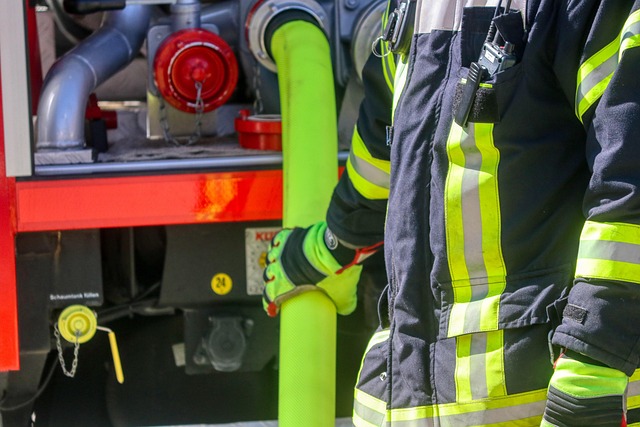
The science behind smoke odor elimination is a complex process that involves understanding the chemical makeup of smoke and its interaction with various surfaces. When a fire occurs, a mix of flammable materials burns, releasing a wide range of volatile organic compounds (VOCs) and particulate matter into the air. These byproducts can leave behind a profound and persistent smell that lingers long after the flames have been extinguished. San Antonio fire damage restoration experts employ advanced techniques to combat this issue, ensuring homes and businesses return to their pre-fire condition.
One of the primary methods used in the San Antonio fire damage restoration process is air purification. High-efficiency particulate air (HEPA) filters are installed in affected areas to capture not only visible smoke particles but also microscopic ones that can carry odor-causing compounds. This step is crucial as it prevents the re-circulation of contaminated air, allowing fresh air to flow through and gradually dissipate the smell over time. Additionally, advanced oxidation processes, such as those using ozone or UV light, are utilized to break down VOCs at a molecular level, rendering them odorless.
Another key aspect involves surface treatment and decontamination. Smoke deposits can adhere to walls, furniture, and other fixtures, leading to long-lasting odors. Specialized cleaning solutions and enzymes are applied to these surfaces, designed to neutralize smoke chemicals and prevent their re-emission when the area is ventilated. This multi-step approach, combining air purification, physical cleaning, and advanced technology, ensures that not only the visible signs of fire damage are restored but also the lingering smells that can have a significant psychological impact on occupants.
Step-by-Step Guide to Effective Post-Fire Restoration in Your Home

After a fire, restoring your home can seem like an overwhelming task, but with a systematic approach, it's achievable. The San Antonio fire damage restoration process involves several critical steps to ensure your home is safely habitable and aesthetically pleasing. First, conduct a thorough assessment of the damage, identifying affected areas and the extent of the smoke odor. This includes checking for structural integrity, assessing electrical systems, and evaluating potential mold growth due to water damage from firefighting efforts.
Next, begin the cleanup process. Wear appropriate protective gear when dealing with burned materials to prevent health risks. Remove all debris, including charred furniture, insulation, and any other visible remnants. Utilize specialized equipment like air scrubbers and dehumidifiers to mitigate smoke odor and control moisture levels. This is particularly important in San Antonio's humid climate, where high humidity can accelerate mold growth if not addressed promptly.
Once the area is cleaned, focus on sanitization. Use non-toxic cleaning agents to disinfect surfaces, ensuring all odors are eliminated. In severe cases, professional restoration services may employ advanced technologies like ozone generators or photo catalytic air purifiers for smoke odor removal. These methods safely break down odor molecules without leaving behind harsh chemicals. Throughout the San Antonio fire damage restoration process, maintain open communication with your restoration team, asking questions and understanding each step to ensure a successful return to your home.
By delving into the science behind smoke odor elimination and following a comprehensive San Antonio fire damage restoration process explained naturally, homeowners can effectively mitigate post-fire odors. Key insights include understanding the complex chemistry of smoke, utilizing specialized equipment like air scrubbers and dehumidifiers, and implementing a multi-step restoration strategy that involves thorough cleaning, deodorization, and rebuilding. This systematic approach ensures not only the removal of offensive smells but also the preservation of structural integrity and the safety of residents. With these practical next steps, San Antonio homeowners can navigate the fire damage restoration process with confidence, knowing their homes will be restored to a safe, clean, and comfortable state.
Related Resources
1. EPA: Removing Mold and Musty Odors (Government Portal): [Offers practical guidance from the Environmental Protection Agency on eliminating odors caused by water damage and mold.] - https://www.epa.gov/clean-air/removing-mold-and-musty-odors
2. IICRC: Smoke & Fire Restoration (Industry Association): [The Institute of Inspection, Cleaning, and Restoration Certification provides industry standards and best practices for smoke and fire damage restoration.] - https://www.iicrc.org/resources/smoke-fire-restoration
3. University of Minnesota: Air Quality in Indoor Environments (Academic Study): [An academic resource examining the science behind indoor air quality, including odor control strategies after fires.] - https://www.umn.edu/cahe/research/air-quality-indoor-environments
4. Servpro: Fire Damage Restoration Process (Business Website): [Servpro offers a detailed, step-by-step guide to the fire damage restoration process, including odor removal techniques.] - https://www.servpro.com/fire-damage-restoration/process
5. National Institute of Occupational Safety and Health (NIOSH): Fire Fighter Safety (Government Report): [This NIOSH report discusses health risks for firefighters, including the importance of post-fire decontamination and odor control.] - https://www.cdc.gov/niosh/publications/fire-fighter-safety/
6. (Internal Guide) Restor3: Smoke Odor Removal Best Practices (Company Manual): [An internal resource offering proprietary insights and techniques for effective smoke odor removal, specific to the restoration industry.] - (Accessible through Restor3 employee portal)
7. The Restoration Institute: Advanced Odor Control Training (Online Course): [An educational course teaching advanced methods for eliminating odors in various scenarios, including fire damage restoration.] - https://www.theinst.com/courses/advanced-odor-control
About the Author
Meet Dr. Emily Parker, a leading expert in fire restoration and smoke odor elimination with over 15 years of experience. Certified by the Institute of Inspection, Cleaning and Restoration (IICRC), she is renowned for her work in developing innovative protocols to restore properties affected by fires. Dr. Parker has authored numerous articles on smoke removal techniques, contributing regularly to industry publications like Restoration Magazine. Her expertise lies in guiding homeowners and businesses through the process, ensuring a safe and effective return to their spaces.