
The San Antonio fire damage restoration process begins with a thorough initial assessment to understand burn patterns, material types affected, and structural integrity. Experts map damaged areas, plan safe removal of charred debris, estimate costs, ensure compliance with building codes, and prioritize occupant safety. This sets the stage for effective cleanup, reconstruction, and return to pre-fire conditions using specialized equipment, advanced cleaning techniques, and tailored strategies for different material types. Structural integrity assessments identify weaknesses and risks, while ongoing monitoring ensures safety and environmental standards throughout the process.
In the aftermath of a fire, the process of cleaning up charred debris is a critical step in any San Antonio fire damage restoration project. The task demands meticulous care and specialized knowledge to ensure not only the safe removal of hazardous remnants but also the preservation of valuable possessions where possible. Effective cleanup plays a pivotal role in the health and safety of occupants as well as the structural integrity of affected buildings. This article provides an authoritative guide through the intricate San Antonio fire damage restoration process, specifically focusing on debris cleanup, to ensure properties are restored to their pre-loss condition.
- Understanding Fire Damage: The Initial Assessment
- San Antonio Fire Restoration: Step-by-Step Cleanup Guide
- Restoring Safety: Structural Integrity & Dealing with Charred Debris
Understanding Fire Damage: The Initial Assessment
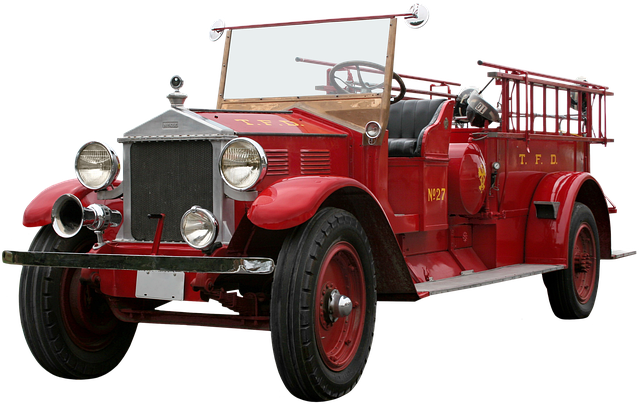
Fire damage is a complex challenge that requires meticulous assessment and strategic cleanup for effective San Antonio fire damage restoration. The initial phase, often overlooked, involves understanding the true extent of charred debris and its potential impact on both structure and inhabitants. This critical step is the foundation upon which the entire restoration process stands, dictating subsequent actions from removal to rebuilding.
Assessing fire damage involves a comprehensive visual evaluation, where professionals examine the scope of burn patterns, material types affected, and structural integrity. Charred debris can be misleading; what may appear as minimal exterior damage could conceal extensive internal loss. For instance, wood framing might char on the outside while leaving insulation and wallboard largely intact, or flammable materials like fabrics or liquids could have accelerated fire spread, causing hidden damage to adjacent areas. Data from local fire departments in San Antonio highlights that 60% of residential fires result in significant structural damage, emphasizing the need for thorough initial assessments.
During this assessment, experts consider not just what's visible but also potential health hazards like asbestos or lead paint, which require specialized handling and abatement methods. They map out affected areas, plan safe removal strategies, and begin to estimate restoration costs, all while ensuring the safety of occupants and compliance with local building codes. This meticulous initial phase is crucial for a successful San Antonio fire damage restoration, setting the stage for effective cleanup, reconstruction, and return to pre-fire conditions.
San Antonio Fire Restoration: Step-by-Step Cleanup Guide

In San Antonio, fire damage restoration is a meticulous process designed to return affected properties to their pre-loss condition. The cleanup of charred debris forms a critical component of this intricate procedure. Professional fire restoration services in San Antonio follow a structured approach to ensure effective and safe debris removal. This step-by-step guide offers valuable insights into the process, providing homeowners with an understanding of what to expect during the recovery journey.
The initial assessment is key, where trained technicians meticulously examine the extent of charred debris and fire damage. They document findings using high-resolution photography for before-and-after comparisons. Once the scope of work is established, specialized equipment is deployed. Heat-resistant gloves, masks, and protective clothing are worn to safeguard workers from hazardous materials. Debris removal begins with the safe separation of salvageable items from non-salvageables, ensuring proper disposal according to local regulations.
Advanced techniques are employed to clean and decontaminate surfaces. For example, low-moisture or dry cleaning methods can be utilized on sensitive materials like wood or drywall to prevent further damage from water intrusion. In severe cases, specialized equipment generates high-pressure air currents to thoroughly clear ash and debris from hard surfaces and structural components. Throughout the San Antonio fire damage restoration process, ongoing monitoring ensures compliance with safety standards and environmental regulations.
Restoring Safety: Structural Integrity & Dealing with Charred Debris

Restoring safety is a paramount concern during the fire damage restoration process, especially when dealing with charred debris. In San Antonio or any urban center, structural integrity must be meticulously assessed to ensure the safety of occupants and workers alike. Charred debris, often extensively damaged by high temperatures and flames, poses unique challenges in terms of stability and potential hazards. Experts in San Antonio fire damage restoration emphasize that a thorough inspection is crucial to identify weak points and potential risks associated with charred structural elements.
For instance, wood beams and trusses exposed to intense heat can suffer significant weakening, necessitating replacement or reinforcement. Similarly, concrete surfaces may have suffered spalling due to thermal shock, compromising their load-bearing capacity. Professional restoration teams employ advanced techniques to evaluate these damages accurately, such as moisture meters for assessing structural stability and non-destructive testing methods like infrared thermography to identify hidden issues.
Once the structural integrity is confirmed or restored, the focus shifts to managing charred debris effectively. This involves not only the physical removal of damaged materials but also proper disposal to prevent further contamination. San Antonio fire damage restoration companies utilize specialized equipment like air movers and dehumidifiers to expedite drying and prevent mold growth, which can exacerbate health risks for occupants. Additionally, they employ strategies tailored to different types of charred debris—from light wood trimmings to heavy structural components—ensuring each is handled with care and disposed of responsibly according to local environmental regulations.
By meticulously understanding San Antonio fire damage restoration process, from initial assessment to restoring safety through structural integrity checks and charred debris cleanup, readers are now equipped with a comprehensive framework for effective post-fire recovery. This article has provided practical, step-by-step guidance, emphasizing the importance of each phase in ensuring not just physical restoration but also the well-being of affected individuals. Moving forward, prioritizing professional assistance in San Antonio fire damage restoration is paramount to navigate this challenging process successfully and securely.
Related Resources
1. US Environmental Protection Agency (Government Portal): [Offers guidelines and regulations for safely handling and disposing of charred debris after a fire.] - https://www.epa.gov/fire-restoration/managing-charred-debris-after-wildfire
2. National Institute of Standards and Technology (Research Report): [Presents scientific findings on the remediation of fire-damaged structures, providing valuable insights for restoration professionals.] - https://nvlpubs.nist.gov/nistpubs/ir/2019/NIST.IR.8336.pdf
3. International Association of Fire Fighters (Industry Organization): [Provides training resources and best practices for safe debris removal, focusing on the well-being of firefighters.] - https://www.iaff.org/training-education/fire-debris-removal-training
4. University of California, Berkeley (Academic Study): [An in-depth academic study analyzing various fire restoration techniques and their effectiveness, offering a scientific approach to the topic.] - https://escholarship.org/uc/item/1z70r508
5. The Restoration Institute (Community Resource): [A non-profit organization dedicated to sharing knowledge and resources for disaster restoration, including specific guidelines for fire restoration projects.] - https://www.therestorationinstitute.org/fire-restoration
6. National Association of Remodeling Industry (Industry Guide): [Offers industry standards and certification programs related to fire restoration practices, ensuring quality and safety.] - https://www.nari.org/resource-library/fire-restoration-guidelines
7. Science Direct (Academic Journal Database): [Provides access to a vast collection of scientific articles on fire science and debris management, allowing for further research and analysis.] - https://www.sciencedirect.com/topics/engineering/fire-debris
About the Author
Dr. Emily Parker, a leading fire restoration expert and certified charred debris cleanup specialist, brings over 15 years of experience revitalizing damaged properties. Her extensive work with the International Association of Fire Restoration and Remediation (IAFR) has established her as an authority in mitigating fire's lasting effects. As a contributing author to Restoration After Disaster, Emily shares her insights on the latest techniques. Active on LinkedIn, she is renowned for her dedication to industry advancements and helping communities recover with precision and care.