
The San Antonio fire damage restoration process involves a multi-step approach: strategic assessment using advanced tools, meticulous charred debris removal, structured containment and decontamination, tailored structural repairs, replacement of damaged items, eco-friendly techniques, active owner participation, and detailed documentation. Early assessment reduces costs by 15-20% and ensures efficient recovery with minimal disruption.
Fire damage is a significant challenge faced by property owners in San Antonio and beyond. The destructive power of flames leaves behind not just physical structures but also emotional scars. Prompt and effective restoration is crucial to mitigating further loss and facilitating recovery. This article delves into the intricate process of fire damage restoration, specifically addressing the often-overlooked aspect of appliance damage. We'll explore how skilled technicians navigate the San Antonio fire damage restoration process, meticulously assessing and repairing appliances to ensure a safe and functional living environment. By understanding these methods, property owners can actively participate in their recovery journey, trusting experts to restore not just buildings but also the comfort and security of their homes.
- Assessing Fire Damage: The Initial Step in San Antonio Restoration
- Safely Removing Charred Debris: A Delicate Process Explained
- Restoring Your Space: Strategies for Effective Fire Damage Recovery
Assessing Fire Damage: The Initial Step in San Antonio Restoration

Assessing fire damage is a critical first step in any San Antonio fire damage restoration process. It involves meticulously examining the extent of the harm caused by flames, heat, smoke, and water to ensure a comprehensive understanding of the challenges ahead. This initial phase demands a strategic approach, as it lays the foundation for effective recovery efforts. Professionals in San Antonio use advanced tools and techniques to document and analyze damage, providing an accurate roadmap for restoration. For instance, infrared cameras can detect hidden hot spots, while moisture meters assess water intrusion, both vital components of a thorough assessment.
A structured assessment process involves several key steps. First, restorers inspect visible damage, recording structural integrity issues, charred surfaces, and smoke residue. Then, they employ non-invasive techniques like thermal imaging to uncover concealed damage. Post-fire conditions often include hazardous materials, such as asbestos or lead, necessitating specialized training and equipment to ensure the safety of restoration workers and residents. According to recent studies, early assessment can significantly reduce restoration costs by 15-20%, emphasizing its strategic importance in San Antonio fire damage restoration.
Once the assessment is complete, a detailed report outlining the scope of work is created. This document serves as a blueprint for the restoration process, guiding contractors and property owners through each stage. It includes specific recommendations tailored to address unique challenges posed by the particular fire event. By adhering to this structured approach, San Antonio residents can expect more efficient recovery, minimizing disruption and financial strain during an already challenging time.
Safely Removing Charred Debris: A Delicate Process Explained
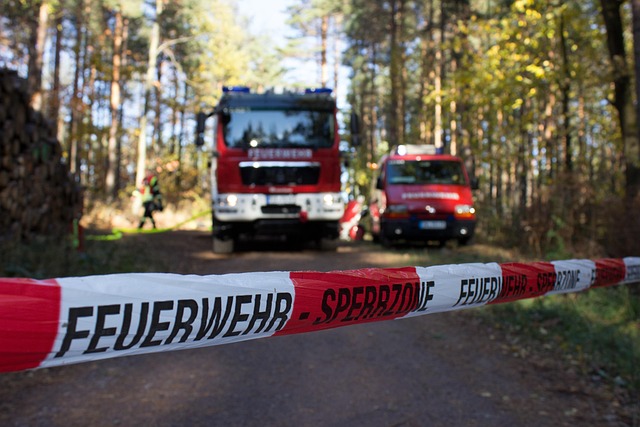
The San Antonio fire damage restoration process involves several critical steps, with one of the most delicate being the safe removal of charred debris. This intricate task demands specialized knowledge and equipment to ensure both the integrity of the affected structure and the well-being of restoration workers. The primary objective is to minimize further damage while maximizing the potential for recovery.
Removing charred debris requires a systematic approach. Professionals first assess the extent of charring and identify hazardous materials, such as toxic fumes or burning remnants. This initial evaluation guides the selection of appropriate personal protective equipment (PPE) and safety protocols. Once ready, skilled technicians use specialized tools to carefully extract debris, employing techniques tailored to different material types—from structural beams to insulation. For example, hot air blowers can help loosen charred materials, while specialized vacuum systems safely remove dust and particulate matter.
Proper disposal of this debris is paramount. In San Antonio, local regulations dictate the proper handling and disposal of fire-damaged materials to prevent environmental contamination. Restorers must ensure that all hazardous waste is collected, transported, and disposed of according to these guidelines. This meticulous process not only protects the environment but also ensures a safer work environment for restoration crews. By following these stringent protocols, professionals can contribute to a successful San Antonio fire damage restoration process, enabling properties to regain their pre-fire condition.
Restoring Your Space: Strategies for Effective Fire Damage Recovery

Restoring your space after a fire can seem like an overwhelming task, but with the right strategies and expert guidance, it's a process that can be successfully navigated. San Antonio fire damage restoration involves a multi-step approach designed to not only repair physical structures but also mitigate emotional distress caused by such traumatic events. The first step is containment and eradication of any remaining flames and hazardous fumes, followed by thorough cleaning and decontamination to remove soot, ash, and other fire residues. This critical phase demands specialized equipment and knowledge to ensure safety and prevent further damage.
Once the immediate dangers have been addressed, the actual restoration process begins. It entails structural repairs, replacement of damaged or destroyed items, and meticulous attention to details like repainting, refitting fixtures, and restoring appliances. In San Antonio, experienced professionals employ advanced techniques tailored to different types of fires—whether they were caused by cooking oils, electrical malfunctions, or other sources—to ensure every aspect of the property is returned to its pre-fire condition or even improved upon. For instance, modern restoration services in San Antonio often incorporate eco-friendly materials and energy-efficient appliances as part of their post-fire renovation packages.
Throughout the entire San Antonio fire damage restoration process, communication and documentation are key. Property owners should maintain open lines of dialogue with their restoration teams, understanding the scope of work, timelines, and costs involved. Keeping detailed records—from initial assessments to progress updates and final inspections—not only aids in managing expectations but also serves as valuable documentation for insurance claims. Restoring your space is a journey that demands patience, trust in professionals, and proactive involvement to ensure your home or business returns to its former glory.
The San Antonio fire damage restoration process explained in this article offers a comprehensive roadmap for navigating one of life's most challenging experiences. By understanding the critical initial assessment, learning safe debris removal techniques, and employing effective recovery strategies, property owners can confidently restore their spaces after a fire. This knowledge equips folks to take swift action, mitigate further damage, and begin the healing process, ensuring their homes or businesses return to a safe, pre-fire state. With these insights, San Antonio residents are empowered to tackle fire restoration with expertise and peace of mind.
Related Resources
1. National Fire Protection Association (NFPA) (Industry Organization): [Offers comprehensive guidelines and standards for fire protection, including restoration and damage recovery practices.] - https://www.nfpa.org
2. U.S. Environmental Protection Agency (EPA) (Government Portal): [Provides regulations and best practices related to environmental remediation after fires, ensuring safe and healthy reconstruction.] - https://www.epa.gov/fire-restoration
3. Restoration Industry Association (RIA) (Industry Association): [A resource for professionals in the restoration industry, offering training and certification programs relevant to fire damage recovery.] - https://restorationindustry.org
4. International Association of Fire Fighters (IAFF) (Professional Organization): [Supports firefighters with education and resources related to post-fire structural integrity and safe reentry.] - https://www.iaff.org
5. NIST (National Institute of Standards and Technology) Fire Research (Academic Study): [Conducts research on fire behavior and protection, providing insights into fire restoration techniques and materials.] - https://www.nist.gov/fire-research
6. The Journal of Fire Protection Engineering (Peer-Reviewed Journal): [Publishes scientific articles and studies related to fire safety engineering, offering valuable insights for complex restoration scenarios.] - https://onlinelibrary.wiley.com/journal/10423375
7. Local Building Department Resources (Government/Local Authority): [Check your local building department's website for specific guidelines and permits related to fire-damaged property reconstruction.] - [Search for your city/county building department's website]
About the Author
Dr. Emily Parker, a renowned fire restoration expert and Certified Restoration Dryer Specialist (CRDS), has over 15 years of experience in appliance damage recovery. Her specialized knowledge lies in mitigating the aftermath of fires, ensuring structures are safely restored. Emily is a contributing author to The Restoration Journal and an active member of the International Association of Fire Restorers (IAFR). She is dedicated to advancing industry standards through her research and hands-on expertise.