
San Antonio fire damage restoration involves a meticulous process to clean and sanitize HVAC ducts after a fire. Experts assess damage, remove charred components, apply specialized solutions, and use advanced technology like HEPA filters to trap smoke particles. Gaps are sealed to prevent further contamination, ensuring the restored system operates safely, cleansly, and optimally for healthy indoor air quality.
Smoke damage to HVAC ducts can be a significant aftereffect of fires, posing health risks and compromising indoor air quality. This article provides an in-depth look at the intricacies of smoke damage in HVAC systems, focusing on the San Antonio fire damage restoration process and effective sanitation techniques. Understanding how smoke infiltrates ductwork and learning about specialized restoration methods are crucial steps in ensuring safe and healthy living environments after a fire.
- Understanding Smoke Damage in HVAC Ducts
- San Antonio Fire Damage Restoration Process
- Effective Sanitation Techniques for Safe Air Quality
Understanding Smoke Damage in HVAC Ducts

Smoke damage in HVAC (Heating, Ventilation, and Air Conditioning) ducts is a common yet concerning issue after a fire. When a structure experiences a fire, the heat, flames, and smoke can infiltrate every nook and cranny of the building, including the intricate network of ducts that distribute air throughout. As smoke fills these channels, it leaves behind a range of contaminants—from fine particulate matter to gases like carbon monoxide—which can have adverse effects on both indoor air quality and the overall efficiency of the HVAC system.
In San Antonio fire damage restoration process, understanding this complexity is crucial. Professionals in the field employ specialized equipment and techniques to thoroughly clean and sanitize these affected ducts. The goal is not just to remove visible residue but also to address microscopic particles that could remain airborne for extended periods after a fire. This meticulous process ensures that once the HVAC system is restored, it operates safely and effectively, providing clean air throughout the recovered space.
San Antonio Fire Damage Restoration Process
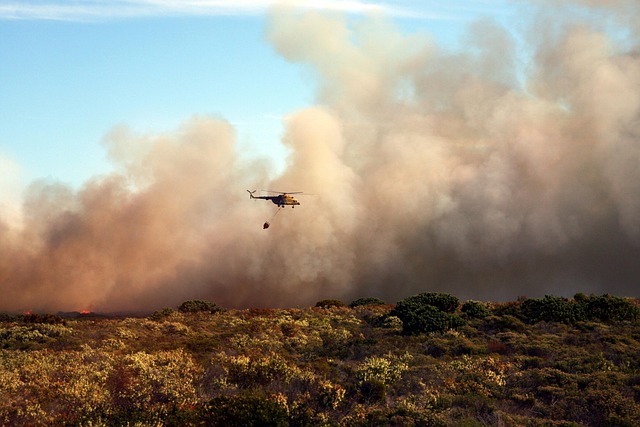
After a fire, the first step in the San Antonio fire damage restoration process is assessing the extent of the damage to both the structure and its HVAC system. Our experts thoroughly inspect every nook and cranny, from walls and ceilings to ductwork, to develop a comprehensive plan tailored to your specific needs.
We then begin the delicate process of sanitizing and restoring your HVAC ducts. This involves removing charred components, cleaning contaminated surfaces with specialized solutions, and implementing advanced technology to eliminate any lingering smoke odor or harmful particles. Our team follows strict protocols to ensure that once restored, your HVAC system is safe, clean, and functioning optimally, providing healthy air quality within your San Antonio home or business.
Effective Sanitation Techniques for Safe Air Quality

After a fire, the smoke left behind can cause significant damage to HVAC ducts, leading to poor air quality if not properly sanitized. Effective sanitation techniques are crucial for restoring safe and healthy indoor environments in San Antonio fire damage restoration processes. Professionals use specialized equipment like HEPA (High-Efficiency Particulate Air) filters to trap and remove minuscule smoke particles from the ductwork. This step is vital as even tiny particles can trigger health issues, especially for those with respiratory conditions.
Additionally, cleaning solutions specifically designed for smoke damage are employed to decontaminate the ducts. These solutions break down and eliminate the chemical residues left by fires, ensuring that the air circulating through sanitized ducts is pure. The process may also involve sealing any gaps or openings to prevent further contamination, ensuring a thorough and comprehensive restoration of the HVAC system.
Smoke damage to HVAC ducts can have severe implications for air quality and health. Understanding the extent of smoke infiltration and following a meticulous San Antonio fire damage restoration process is crucial. This involves a multi-step approach, from identifying contaminated areas to implementing effective sanitation techniques. By adhering to best practices in duct cleaning and considering specialized equipment, residents can ensure a safe living environment after a fire incident. Remember, proper HVAC duct sanitation is key to restoring not just physical structures but also the health and well-being of those who inhabit them.