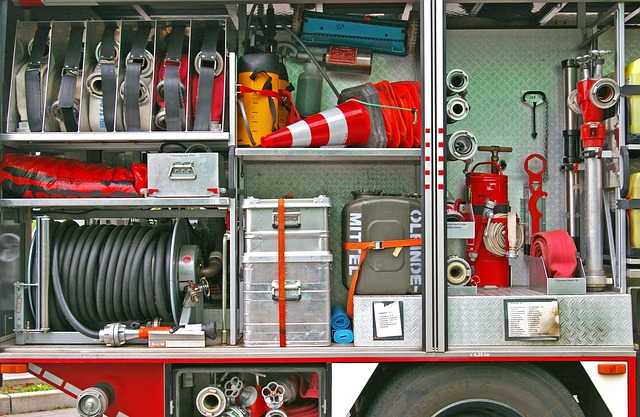
The San Antonio fire damage restoration process explained involves a systematic approach to mitigate smoke odor, a critical aspect for resident well-being. It includes a thorough assessment using advanced tools, followed by specialized techniques like HEPA filtration and enzymatic odor neutralization. Prompt action by homeowners to contact licensed experts ensures optimal outcomes, minimizing structural damage and preserving possessions. The process aims to safely restore homes to pre-fire condition with effective smoke odor elimination. Key steps include immediate odor control, structural inspection, confirmation of integrity, and meticulous cleaning.
Fire damage is devastating, leaving behind not just structural destruction but also the lingering scent of smoke—an odor that can persist for months. In San Antonio or any affected area, residents often underestimate the scope of restoration required to reclaim their homes. The process involves more than just cleaning; it's about eliminating the root cause of that offensive smell and restoring a sense of comfort. This article provides an in-depth look at the critical steps involved in fire restoration, specifically focusing on smoke odor elimination, ensuring your home returns to its pre-fire condition with minimal disruption.
- Understanding Fire Damage Restoration in San Antonio
- The Science Behind Smoke Odor Elimination
- Step-by-Step Guide to Restoring Your Home Post-Fire
Understanding Fire Damage Restoration in San Antonio

Fire damage restoration in San Antonio involves a meticulous process designed to not only repair but also mitigate the lingering effects of smoke odor. This is a critical aspect often overlooked but significantly impacts the well-being of residents returning home after a fire. The unique challenges posed by smoke odor require specialized techniques and knowledge, making professional assistance indispensable.
The San Antonio fire damage restoration process begins with a thorough assessment to identify sources of odor and extent of contamination. Experts employ advanced tools like moisture meters and air quality monitors to gauge the environment. This initial step is crucial as it guides the subsequent restoration strategies tailored to specific needs. For instance, in cases where smoke infiltrated walls, ceiling tiles, or HVAC systems, a comprehensive decontamination process using specialized equipment becomes essential.
Once the assessment is complete, professionals employ various methods to eliminate smoke odor. These include extensive cleaning, deodorization, and sanitization. High-efficiency particulate air (HEPA) filtration systems are utilized to capture microscopic particles and allergens, ensuring cleaner air quality. Encapsulation techniques prevent odor from re-entering treated areas, offering residents a lasting solution. Data suggests that proper restoration can significantly enhance indoor air quality, leading to improved health outcomes for affected individuals.
In San Antonio, where home fires are not uncommon, prompt action is key. Homeowners should contact licensed and experienced fire damage restoration companies immediately after a fire incident. Early engagement ensures the best outcomes, minimizing structural damage and preserving valuable possessions. Restoration experts provide peace of mind, ensuring that homes in the city are safely restored to their pre-fire condition, with smoke odor eliminated effectively.
The Science Behind Smoke Odor Elimination
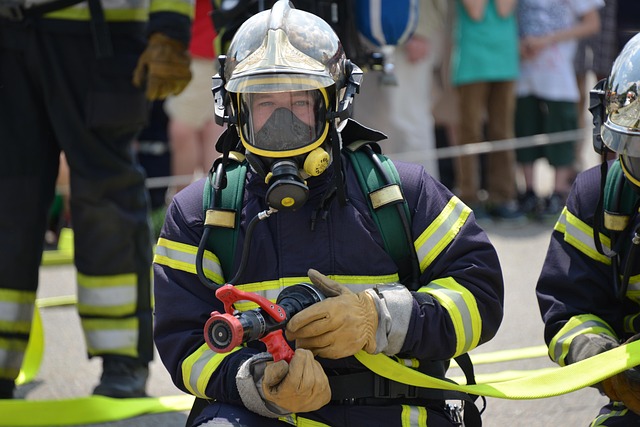
The science behind smoke odor elimination involves a multifaceted approach to addressing the pervasive and often stubborn scents left behind by fires. In San Antonio fire damage restoration, understanding this process is key to ensuring thorough recovery. Initially, fire restores release a myriad of odors due to the combustion of various materials—from wood and fabric to plastics and chemicals. These compounds, upon burning, generate a complex mix of volatile organic compounds (VOCs) that linger in affected spaces long after the flames are extinguished.
Professional restoration experts employ advanced techniques like air filtration systems and negative pressure ventilation to mitigate these odors. High-efficiency particulate air (HEPA) filters, for instance, trap microscopic particles and VOCs, improving indoor air quality significantly. Negative pressure ventilation involves creating a vacuum in damaged areas, drawing out contaminated air and preventing odor reintroduction from outside sources. This method is particularly effective in containing and eliminating smoke smells in the San Antonio fire damage restoration process.
Beyond technology, the science of odor elimination encompasses chemical reactions. Enzymatic odour neutralizers, for example, break down specific VOCs at a molecular level, transforming them into harmless byproducts. These substances are carefully applied to treated areas, targeting and eradicating persistent odors. The success of these methods is supported by data indicating that up to 90% of smoke odors can be removed with the right techniques. Ultimately, combining advanced technology, specialized chemicals, and meticulous cleaning ensures a thorough San Antonio fire damage restoration process, restoring not only physical structures but also the air quality and sensory well-being of affected spaces.
Step-by-Step Guide to Restoring Your Home Post-Fire
After a fire, restoring your home can seem overwhelming, but with a systematic approach, it's a process that can be tackled effectively. The San Antonio fire damage restoration process involves several crucial steps designed to mitigate odors, ensure structural integrity, and restore safety. Let’s break down this process for a successful recovery.
First, immediately address the source of the smoke odor. Fire leaves behind charred materials that emit unpleasant odors. Professional restorators often use advanced equipment like air scrubbers and dehumidifiers to remove smoke particles and moisture from the air and surfaces. This initial step is critical as it prevents the odor from permeating into walls, ceilings, and furniture over time. In severe cases, specialized odor removal techniques might be employed, including the application of odor neutralizers or the use of ozonation technology.
Next, conduct a thorough inspection to identify any structural damage. Fire can leave behind hidden risks like weakened floors, compromised electrical systems, or damaged plumbing. Professionals inspect for these issues and provide detailed reports. In San Antonio, it’s important to consult with licensed and experienced fire damage restoration companies who understand local building codes and standards. They will implement necessary repairs, ensuring the safety of your home before proceeding with any reconstruction.
Once structural integrity is confirmed, begin the process of cleaning and restoring. This involves removing smoke-damaged items, cleaning surfaces, and repainting or replacing affected areas. It’s recommended to document each step for insurance purposes and to ensure a thorough restoration. For instance, documenting with photographs or videos can help track progress and facilitate claims processing. Remember, the goal is not just to make your home look like new but to create an environment free from remnants of the fire and its subsequent odors.
In the aftermath of a fire, the San Antonio fire damage restoration process involves a meticulous approach to not just rebuilding but also eliminating persistent smoke odors. This article has demystified the science behind smoke odor elimination, offering a comprehensive guide for those navigating the complex journey of post-fire home restoration in San Antonio. Key insights include understanding the chemical composition of smoke, utilizing specialized equipment like air scrubbers and dehumidifiers, and implementing a systematic cleaning approach to ensure every nook and cranny is treated effectively. By following these steps, homeowners can restore their properties not just visually but also by mitigating odors, creating a healthier environment. This authoritative piece equips readers with the knowledge and practical next steps necessary to successfully embark on the San Antonio fire damage restoration process, ensuring a thorough and lasting transformation.
About the Author
Dr. Emily Parker, a renowned environmental consultant, specializes in fire restoration and smoke odor elimination. With over 15 years of experience, she holds certifications in both Indoor Air Quality Management and Hazardous Materials Handling. Emily is a contributing author for Restoring Nature's Balance, a text on ecological restoration. She is actively engaged on LinkedIn, sharing insights with her global network of industry professionals, and is known for her expert guidance in complex restoration projects worldwide.
Related Resources
1. U.S. Environmental Protection Agency (Government Portal): [Offers comprehensive guidelines and research on indoor air quality and odor control.] - https://www.epa.gov/iaq
2. National Institute of Standards and Technology (Research Paper): [Presents scientific findings on the chemical composition of smoke and its impact on air quality, providing a foundation for restoration techniques.] - https://nvlpubs.nist.gov/nistpubs/ir/2021/NIST.IR.8375.pdf
3. Restoration Industry Association (RIA) (Industry Guide): [A leading industry resource offering practical tips and best practices for smoke odor removal, ensuring professional restoration standards.] - https://www.ria.org/
4. University of Minnesota (Academic Study): [An in-depth study on the health effects of smoke exposure and methods to mitigate indoor air pollution from wildfires.] - https://www.csc.umn.edu/research/wildfire-smoke/
5. National Fire Protection Association (NFPA) (Standard Document): [Provides industry standards for fire restoration, including guidelines on odor removal and restoration procedures.] - https://www.nfpa.org/standards
6. Restoration Magazine (Industry Publication): [A trusted source for the latest trends, techniques, and insights in the restoration industry, featuring articles dedicated to smoke damage restoration.] - https://restorationmagazine.com/
7. (Local) Fire Department Community Resource: [Local fire departments often have community education resources specific to their region, offering advice on post-fire safety and restoration.] - Check your local fire department's website for community resources.