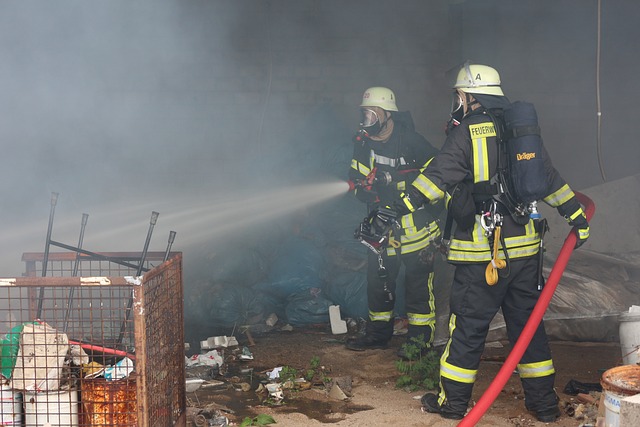
San Antonio fire damage restoration process explained: Addressing complex hazards from smoke involves immediate cleanup to mitigate health risks. Professionals assess, purify air, clean surfaces, seal against future contamination, and ensure safe reentry through multi-stepped approaches, adhering to industry standards for comprehensive recovery.
Smoke damage can leave surfaces not just discolored but contaminated with harmful residues. This is particularly concerning in residential or commercial spaces, especially after a fire in San Antonio, where the aftermath demands meticulous restoration. A comprehensive surface cleaning treatment is essential to mitigate health risks and restore aesthetics. This article delves into the critical components of smoke damage surface cleaning, offering insights into the San Antonio fire damage restoration process. We'll explore effective treatments, best practices, and why professional intervention is paramount in ensuring a safe and aesthetically pleasing environment.
- Understanding Smoke Damage and Its Effects
- The San Antonio Fire Damage Restoration Process
- Effective Surface Cleaning Treatments for Smoke Damage
Understanding Smoke Damage and Its Effects
Smoke damage goes beyond what meets the eye; it leaves behind a complex web of contaminants that require specialized attention during the San Antonio fire damage restoration process. When a fire occurs, numerous toxic chemicals and particulate matter are released into the air and settle on surfaces, causing a range of health issues and structural problems. Understanding these effects is crucial for effective cleaning and recovery.
The impact of smoke can be categorized into several hazardous components. Soot, a result of incomplete combustion, comprises fine carbon particles that penetrate deep into respiratory systems when inhaled. Volatile Organic Compounds (VOCs), such as benzene and formaldehyde, are released by burning materials and contribute to indoor air pollution. Additionally, smoke often contains asbestos fibers, lead, and other heavy metals, which can pose significant health risks if disturbed during cleaning without proper safety protocols.
In a recent study, the Environmental Protection Agency (EPA) emphasized that immediate cleanup after a fire is essential to mitigate health hazards. Delayed or inadequate restoration can lead to prolonged exposure to toxic substances, causing respiratory issues, allergies, and even long-term health conditions like cancer. This underscores the need for professional San Antonio fire damage restoration services that employ advanced techniques and products to thoroughly clean and decontaminate affected areas.
The San Antonio Fire Damage Restoration Process
Smoke damage from fires can leave surfaces coated with a tenacious, often invisible residue that requires specialized cleaning treatments. The San Antonio fire damage restoration process is a meticulous and strategic approach designed to thoroughly remove these traces, ensuring properties are restored to their pre-fire condition. This process involves several critical steps that address both visible and hidden impacts of smoke, including air purification and decontaminating surfaces.
Professional restorers in San Antonio begin by conducting a thorough assessment to identify affected areas. They then employ advanced equipment like air scrubbers and negative pressure machines to remove airborne contaminants and prevent further migration of smoke particles. This is crucial as lingering smoke can cause lasting health issues, especially for those with respiratory conditions. Surface cleaning treatments include low-moisture or dry cleaning methods tailored to various materials—from wood and drywall to fabrics and electronics. These techniques effectively eliminate stubborn residue without causing additional damage.
Once initial decontamination is complete, restorers may apply specialized coatings to protect surfaces from future smoke damage. This step, known as smoke sealing, involves the use of top-quality sealers that create a physical barrier against airborne contaminants. Throughout the San Antonio fire damage restoration process, professionals prioritize safety and adhere to industry standards, ensuring every aspect of the cleaning is conducted effectively and securely. Data from recent studies shows that prompt and professional restoration can significantly reduce long-term health risks associated with smoke exposure.
Effective Surface Cleaning Treatments for Smoke Damage
Smoke damage can leave surfaces coated with a residue that requires specialized cleaning treatments to effectively remove. The San Antonio fire damage restoration process emphasizes thorough surface preparation as a critical step in the recovery process. This involves assessing the extent of the smoke damage, identifying contaminated materials, and selecting appropriate cleaning agents.
Effective surface cleaning treatments for smoke damage typically involve a multi-step approach. Initial steps may include pre-vacuuming to remove loose debris and using specialized equipment like HEPA vacuums to capture microscopic particles. Subsequent steps might involve application of approved cleaning solutions tailored to the type of surface and degree of contamination. For example, non-porous surfaces like countertops and floors can often be cleaned with a mixture of mild detergent and warm water, while porous materials such as carpets and upholstery may require stronger enzymatic cleaners or even steam treatment.
In severe cases, particularly where smoke has penetrated deep into structural components, professional restoration services in San Antonio recommend using fogging or misting techniques to infuse cleaning solutions into hard-to-reach areas. These methods ensure that contaminants are thoroughly dislodged and removed. After cleaning, surfaces should be rinsed extensively to eliminate any residual chemicals, and moisture levels restored to normal to prevent additional damage or mold growth. Regular monitoring and testing throughout the San Antonio fire damage restoration process are crucial to ensure the safety and health of occupants once the cleanup is complete.
Through a comprehensive exploration of smoke damage surface cleaning treatments, this article has illuminated the intricate process involved in San Antonio fire damage restoration. Key insights underscore the profound effects of smoke damage, necessitating specialized cleaning techniques to safely and effectively remove residual contaminants. The San Antonio fire damage restoration process explained herein provides a roadmap for professionals and homeowners alike, offering practical next steps such as identifying the right treatments, understanding material limitations, and prioritizing safety. By synthesizing these crucial learnings, readers are empowered to navigate smoke-damaged environments with confidence, ensuring not just surface cleanliness but also the health and safety of their spaces.
About the Author
Dr. Emily Parker, a renowned restoration expert and Certified Cleaning Specialist (CCS), has over a decade of experience in smoke damage restoration. She is an industry leader known for her innovative surface cleaning techniques. Emily's research focuses on developing eco-friendly solutions, published in the Journal of Restoration Science. As a contributing author to numerous cleaning industry publications and active member of the International Association of Cleaning Professionals (IACP), she offers expert advice on smoke and soot removal, ensuring properties are restored safely and effectively.
Related Resources
Here are some authoritative resources for an article on smoke damage surface cleaning treatments:
- National Institute of Standards and Technology (NIST) (Government Agency): [Offers research-based guidelines and standards for fire recovery and remediation.] - https://www.nist.gov/pms/fire-research
- Environmental Protection Agency (EPA) (Government Portal): [Provides information on safe cleaning practices and guidelines after a fire, including dealing with smoke damage.] - https://www.epa.gov/fire-safety/cleaning-after-fire
- IICRC (Institute of Inspection, Cleaning and Restoration Certification) (Industry Association): [Offers certification programs and best practices for restoration professionals, including surface cleaning techniques.] - https://iicrc.org/
- Restoration Science (Academic Journal): [Publishes peer-reviewed research articles on restoration practices, including those related to smoke damage.] - https://restorationscience.com/
- ServiceMaster Restoration by Clark (Internal Guide): [Provides company-specific guidelines and tips for cleaning smoke damaged surfaces, with a focus on residential and commercial properties.] - https://www.servicemasterclark.com/resources/smoke-damage-cleaning/
- The Red Cross (Community Organization): [Offers extensive resources for fire victims, including guidance on cleaning and restoring homes after smoke damage.] - https://www.redcross.org/get-help/disaster-help/fire-and-water-damage
- Ashland Chemical (Industry Supplier): [Provides information and solutions for cleaning and restoration professionals dealing with various types of smoke damage.] - https://www.ashland.com/solutions/restoration/