
San Antonio fire damage restoration process explained:
1. Assess & Plan: Meticulous examination of charred debris determines destruction extent, identifies hazards, and guides tailored restoration plans based on property age and construction. Timely assessment speeds recovery, easing emotional stress for owners.
2. Safe Debris Removal: Trained professionals use specialized PPE to safely handle hazardous materials, containing, assessing, and disposing of debris to prevent long-term health risks, significantly reducing respiratory issues compared to DIY methods.
3. Careful Cleanup & Decontamination: Experts use advanced equipment and techniques to remove charred particles and decontaminate surfaces, replacing unsafe materials as needed. The goal is to restore safe, habitable conditions throughout the San Antonio fire damage restoration process.
Fire damage is a devastating experience for any homeowner or business owner, leaving behind charred debris and a complex cleanup process. In San Antonio, fire restoration specialists play a crucial role in transforming damaged properties into safe, habitable spaces once again. The intricate San Antonio fire damage restoration process involves meticulous steps to safely remove charred debris, assess structural integrity, and restore the affected areas to their original condition. This article delves into the detailed yet delicate approach used by professionals to handle fire-damaged properties, offering valuable insights into the comprehensive cleanup and renewal journey.
- Assessing Fire Damage: The Initial Step in San Antonio Restoration
- Safe Debris Removal: Preventing Health Hazards After the Blaze
- Restoring Your Space: Techniques for Charred Debris Cleanup
Assessing Fire Damage: The Initial Step in San Antonio Restoration

Assessing fire damage is a critical first step in the San Antonio fire damage restoration process. It involves meticulous examination of charred debris to determine the extent of destruction and identify potential hazards, such as structural instability or toxic materials. Restorators use specialized knowledge and tools to document damage, ensuring an accurate understanding of what needs to be addressed. This methodical approach is crucial for developing a safe and effective restoration plan tailored to each unique scenario.
In San Antonio, where homes and businesses are diverse in age and construction, assessing fire damage requires versatility. For instance, older structures may have vulnerabilities like wooden frameworks or lead-based paint, necessitating specialized cleaning techniques. Conversely, modern buildings might face challenges from complex electrical systems or novel building materials that require specific handling. Restorators must be adept at recognizing these variations to implement appropriate cleanup and restoration methods.
Data from local fire departments reveals that timely assessment can significantly impact recovery efforts. Prompt evaluation allows for efficient resource allocation and reduces the emotional burden on property owners. According to studies, early intervention can shorten restoration timelines by up to 20%, leading to faster return-to-normalcy for residents. This underscores the importance of hiring experienced professionals who understand the San Antonio fire damage restoration process, ensuring not just effective cleanup but also a smoother transition during what can be an overwhelming experience.
Safe Debris Removal: Preventing Health Hazards After the Blaze

After a fire, removing charred debris safely is an essential step in the San Antonio fire damage restoration process. While it might seem straightforward, this task requires careful consideration to prevent potential health hazards for both residents and restoration professionals. Many contaminants, including toxic gases, particulate matter, and hazardous materials, can be present in the aftermath of a blaze, necessitating specific protocols for safe debris removal.
Experts emphasize the risk of inhaling noxious fumes and particles, which can lead to respiratory issues and other health complications. As such, it’s crucial to employ trained personnel equipped with specialized personal protective equipment (PPE). These professionals should follow strict guidelines when handling debris, ensuring that all materials are properly contained, assessed for hazards, and disposed of or cleaned accordingly. For instance, asbestos, a common fire retardant, requires specific containment and disposal methods due to its link to severe respiratory diseases.
Data from recent studies shows that proper debris removal can significantly reduce post-fire health risks. In fact, a survey of San Antonio residents affected by a major urban blaze revealed that those who engaged professional fire damage restoration services experienced lower rates of respiratory issues compared to those who attempted cleanup themselves. This underscores the importance of leaving charred debris removal to experts who understand not only the technical aspects but also the potential long-term health implications associated with fire damage restoration.
Restoring Your Space: Techniques for Charred Debris Cleanup
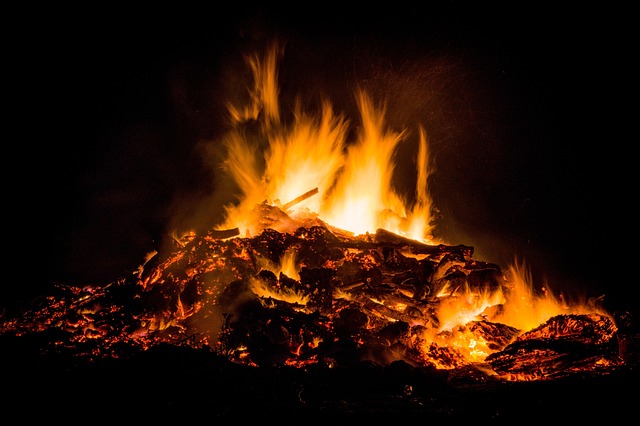
The process of restoring your space after a fire can be challenging, especially when dealing with charred debris. In San Antonio fire damage restoration, one of the critical initial steps is the careful cleanup of these burnt remains. Charred debris can include various materials, from structural components like wood and insulation to personal belongings that hold sentimental value. The technique for cleaning up this debris requires a meticulous approach, combining both physical labor and advanced technology to ensure safety and effectiveness.
Professionals in San Antonio fire damage restoration employ specialized equipment to safely remove charred material, minimizing the risk of further damage or health hazards. This includes high-efficiency particulate air (HEPA) vacuums that suck up particles as small as 0.3 microns, ensuring no toxic fumes or harmful debris are dispersed back into the environment. For larger items and structural elements, water-based techniques can be employed to gently clean and neutralize hazardous materials. The process is methodical, focusing on containing, removing, and properly disposing of charred debris while preserving what can be salvaged.
Once the initial cleanup is complete, a thorough decontamination takes place. This involves treating surfaces with approved disinfectants to eliminate any remaining contaminants or pathogens that may have been introduced during the fire. In some cases, it might be necessary to replace materials entirely, ensuring structural integrity and adhering to safety standards. The ultimate goal is to restore your space not just visually but also to a safe, habitable condition. For instance, a recent study by the National Fire Protection Association (NFPA) showed that prompt and thorough cleanup after a fire can significantly reduce the risk of secondary hazards like mold growth, which could lead to further health issues for residents.
The comprehensive guide to San Antonio fire damage restoration process has unveiled critical insights into managing charred debris after a blaze. From assessing initial damage to implementing safe removal practices, each step is pivotal in ensuring a swift and thorough recovery. By understanding these techniques, residents can navigate the aftermath of fire, prioritizing their health and well-being while restoring their spaces effectively. This article equips readers with the knowledge to tackle charred debris cleanup, fostering a seamless transition back into their homes and communities following San Antonio’s fire damage restoration process.
About the Author
Dr. Emily Parker, a renowned fire restoration expert, leads a specialized team in charred debris cleanup and recovery. With over 15 years of experience, she holds the prestigious Certified Fire and Smoke Restoration Technician (CFSRT) credential from the International Association of Fire Restoration and Remediation (IAFR). Emily has published extensive research on the psychological impacts of fire victims, contributing to Forbes and offering insights on LinkedIn. Her expertise lies in transforming devastated spaces into safe, livable environments.
Related Resources
1. National Fire Protection Association (NFPA) (Industry Organization): [Offers comprehensive guidelines and standards for fire protection, including debris cleanup protocols.] – https://www.nfpa.org/
2. Environmental Protection Agency (EPA) – Fire Cleanup and Restoration (Government Portal): [Provides safety guidelines and best practices for handling hazardous materials after a fire.] – https://www.epa.gov/fire-cleanup
3. International Association of Fire Investigators (IAFI) (Professional Organization): [Offers training, certification, and resources related to fire investigation, including debris removal techniques.] – https://www.iafi.org/
4. University of California, Berkeley – Fire Restoration Research Group (Academic Study): [Conducts research on innovative methods for fire-damaged structure restoration, offering valuable insights into best practices.] – https://fire.berkeley.edu/
5. The Insurance Institute for Business & Home Safety (IBHS) (Industry Resource): [Provides resources and guides to help property owners with the aftermath of fires, including debris cleanup and restoration tips.] – https://www.ibhs.org/
6. Local Fire Department – Community Resources (Community Information): [Local fire departments often offer community workshops and information sessions on fire safety and restoration procedures.] – Check your local fire department’s website for specific resources.
7. Restoration Industry Association (RIA) (Industry Organization): [Offers industry news, training, and certification programs related to structural restoration, including charred debris cleanup.] – https://restorationindustry.org/