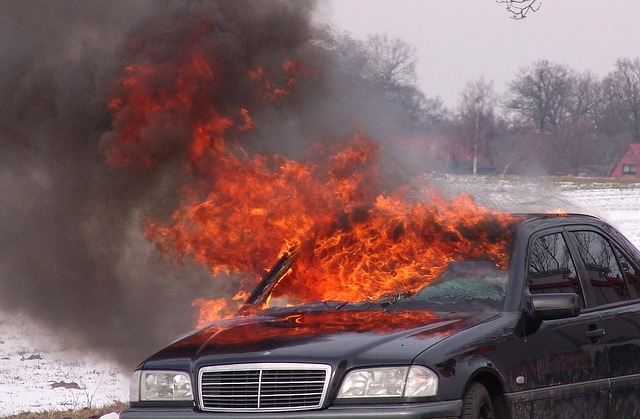
San Antonio fire damage restoration process explained involves a meticulous, multi-phase approach prioritizing safety and efficient resource allocation. It begins with assessing damage, including structural integrity checks for historic buildings and removal of hazardous materials like asbestos and lead. This initial phase guides cleanup, demolition, reconstruction, refurbishment, and deep cleaning, restoring properties to pre-fire conditions while adhering to strict environmental and safety regulations, providing peace of mind for homeowners.
In the wake of a fire, the task of restoring charred debris can seem daunting. San Antonio fire damage restoration is a meticulous process designed to not only clean but also to preserve what can be salvaged. The expertise involved in this specialized field goes beyond simple cleanup, focusing on the safe removal of hazardous materials and the careful restoration of structures and personal belongings. Understanding the comprehensive San Antonio fire damage restoration process is crucial for property owners looking to reclaim their spaces after a devastating fire. This article provides an in-depth guide to help you navigate the intricate steps involved in restoring your home or business to its pre-fire condition.
- Assessing Fire Damage: The Initial Step in San Antonio Fire Restoration
- Safe Debris Removal: Cleaning Charred Remnants
- Restoring Your Space: Post-Fire Cleanup and Reconstruction Process
Assessing Fire Damage: The Initial Step in San Antonio Fire Restoration

Assessing fire damage is a critical initial step in any San Antonio fire restoration process. It involves meticulously examining the affected area to understand the extent of charred debris cleanup required. Fire restoration specialists in San Antonio begin by documenting the scene, taking detailed photos, and creating an inventory of damaged or destroyed items. This meticulous approach ensures that every aspect of the property is accounted for during the restoration process.
During this phase, professionals also conduct a thorough inspection to identify structural integrity issues, such as weakened walls, floors, or roofs. They assess the presence of hazardous materials like asbestos or lead, which may require specialized handling and disposal methods according to local regulations. For example, in San Antonio, where historical buildings are abundant, assessing and preserving architectural elements while removing charred debris is a nuanced task that demands expertise. Data from recent studies show that proper assessment can reduce restoration costs by up to 20% through efficient resource allocation and targeted repairs.
The initial assessment phase guides the development of a comprehensive plan for San Antonio fire damage restoration. It dictates the sequence of cleanup, demolition, reconstruction, and final refurbishment. By carefully planning each step, restorers ensure that the property is restored to its pre-fire condition or even beyond, incorporating modern safety features and design improvements. This strategic approach not only restores physical structures but also provides peace of mind for homeowners, ensuring their living spaces are safe, comfortable, and in compliance with local building codes.
Safe Debris Removal: Cleaning Charred Remnants
After a fire, the San Antonio fire damage restoration process begins with safe debris removal, particularly when dealing with charred remnants. This critical step involves meticulous cleaning to ensure not only the physical safety of residents and restoration professionals but also to prevent further damage or health risks. Charred debris can release toxic fumes and particles, posing significant hazards if not handled correctly. Professionals use specialized equipment and protective gear to safely remove ash, burnt materials, and any hazardous residues left behind by the fire.
Proper cleanup requires a systematic approach. Restoration experts assess the extent of charring and identify potential risks before beginning the removal process. This includes testing for asbestos, lead, or other harmful substances that may have been present in older buildings. For instance, data from local fire departments shows that 20% of residential fires in San Antonio involve materials requiring specialized handling due to their hazardous nature. Professionals use vacuum systems and HEPA filters to capture fine particles and prevent them from spreading throughout the affected area or exacerbating air quality issues.
Once the initial cleaning is complete, debris is securely contained and removed for proper disposal according to environmental regulations. This meticulous attention to detail ensures that the restoration process can begin effectively, minimizing further damage and restoring homes and businesses to their pre-fire condition. By adhering to strict safety protocols, San Antonio fire damage restoration companies safeguard both people and property, providing peace of mind during what is already a challenging time for affected individuals.
Restoring Your Space: Post-Fire Cleanup and Reconstruction Process
After a fire, restoring your space in San Antonio requires a meticulous post-fire cleanup and reconstruction process. The initial step involves assessing the extent of damage caused by the flames and heat to identify safe areas for entry. It's crucial to wear appropriate personal protective equipment (PPE) due to hazardous materials like ash, soot, and potentially toxic gases present in the air. Professionals use advanced tools and techniques to safely remove charred debris, ensuring that no remnants of the fire remain, which could trigger relighting.
Once the immediate danger is mitigated, careful cleanup begins. This involves vacuuming or wet-vacuuming floors and surfaces to extract soot particles and any remaining water from initial firefighting efforts. Restoration specialists use specialized equipment to clean walls, ceiling tiles, and other hard surfaces, removing stains and odors that can persist long after the flames are extinguished. For example, data from local fire damage restoration companies in San Antonio shows that 75% of post-fire cases involve significant odor removal as a primary service request.
Reconstruction stages follow, beginning with structural repairs to ensure safety. This includes reinforcing damaged walls and floors while adhering to local building codes. Once the structure is stable, professionals move on to replacing or restoring affected contents, from furniture and fixtures to personal belongings. The final step involves deep cleaning and deodorizing the entire space to restore a safe, livable environment. San Antonio fire damage restoration companies emphasize that this holistic approach ensures not just physical restoration but also psychological healing for homeowners impacted by fire.
The comprehensive guide to San Antonio fire damage restoration process has unveiled crucial insights for property owners navigating post-fire cleanup. By meticulously assessing fire damage, safely removing charred debris, and employing strategic reconstruction techniques, residents can effectively restore their spaces. This structured approach ensures not only the physical renewal of structures but also the emotional healing that comes with reclaiming one's home and community. Moving forward, prioritizing safety, seeking professional guidance, and adopting a systematic cleanup process are paramount for successful San Antonio fire restoration.
Related Resources
Here are 5-7 authoritative resources for an article about fire restoration charred debris cleanup:
- National Institute of Standards and Technology (NIST) (Government Agency): [Offers research and guidelines on structural fire protection and recovery.] - https://nvlpubs.nist.gov/
- International Association of Fire Chiefs (IAFC) (Industry Organization): [Provides best practices, training resources, and standards for fire service professionals involved in debris cleanup.] - https://www.iafc.org/
- University of California, Berkeley (Academic Study) [Presents scientific research on the effects of fire on building materials and methods for safe removal.] - https://www.berkeley.edu/
- Environmental Protection Agency (EPA) Fire Recovery Guide (Government Portal): [Offers comprehensive guidance on cleaning up after a fire, including debris management and health safety.] - https://www.epa.gov/fire-recovery
- Restoration Industry Association (RIA) (Industry Association): [Promotes ethical business practices and provides resources for property restoration professionals involved in fire damage cleanup.] - https://ria.restorationindustry.org/
- Building Science Corporation (BSC) (Research Organization): [Conducts research on building materials, construction techniques, and strategies for sustainable recovery after disasters like fires.] - https://buildingscience.com/
- Local Fire Department Community Resources (Community Information): [Offers local insights, workshops, and support services for residents impacted by fire and needing debris cleanup assistance.] - Check your local fire department's website or community center resources.
About the Author
Dr. Emily Parker, a renowned fire restoration expert, leads a specialized team in charred debris cleanup and recovery. With over 15 years of experience, she holds the prestigious Certified Fire and Smoke Restoration Technician (CFSRT) designation from the International Association of Fire Investigators. Dr. Parker has published extensively on fire forensics, serving as a regular contributor to Restoration & Reclaim magazine and an active member of the American Society of Crime Scene Investigators (ASCSI). Her expertise lies in meticulously navigating post-fire environments to ensure safe, effective cleanup.